
This page contains affiliate links. We may earn a commission at no extra cost to you. Read our disclosure.
Most families don’t see their fridge as a source of waste, but spoilage hides in every wilted bag of spinach and forgotten container of leftovers, and each one is grocery money going in the trash. Here is where that loss comes from and the four habits that shrink it.
Key Takeaways:
- Three food groups cause most fridge waste for families: produce, leftovers and dairy. Fixing those three covers the biggest share of the bill.
- Four habits do the heavy lifting: check the fridge temperature, shelve older food in front, label leftovers, and plan around what is already inside. Each costs nothing or close to it.
- A $49 fridge deodorizer only makes financial sense if your waste is smell-related. A simple tally of what you toss over 2 to 4 weeks will tell you whether it is worth buying.
How Much Food Does a Family Throw Away Each Year?
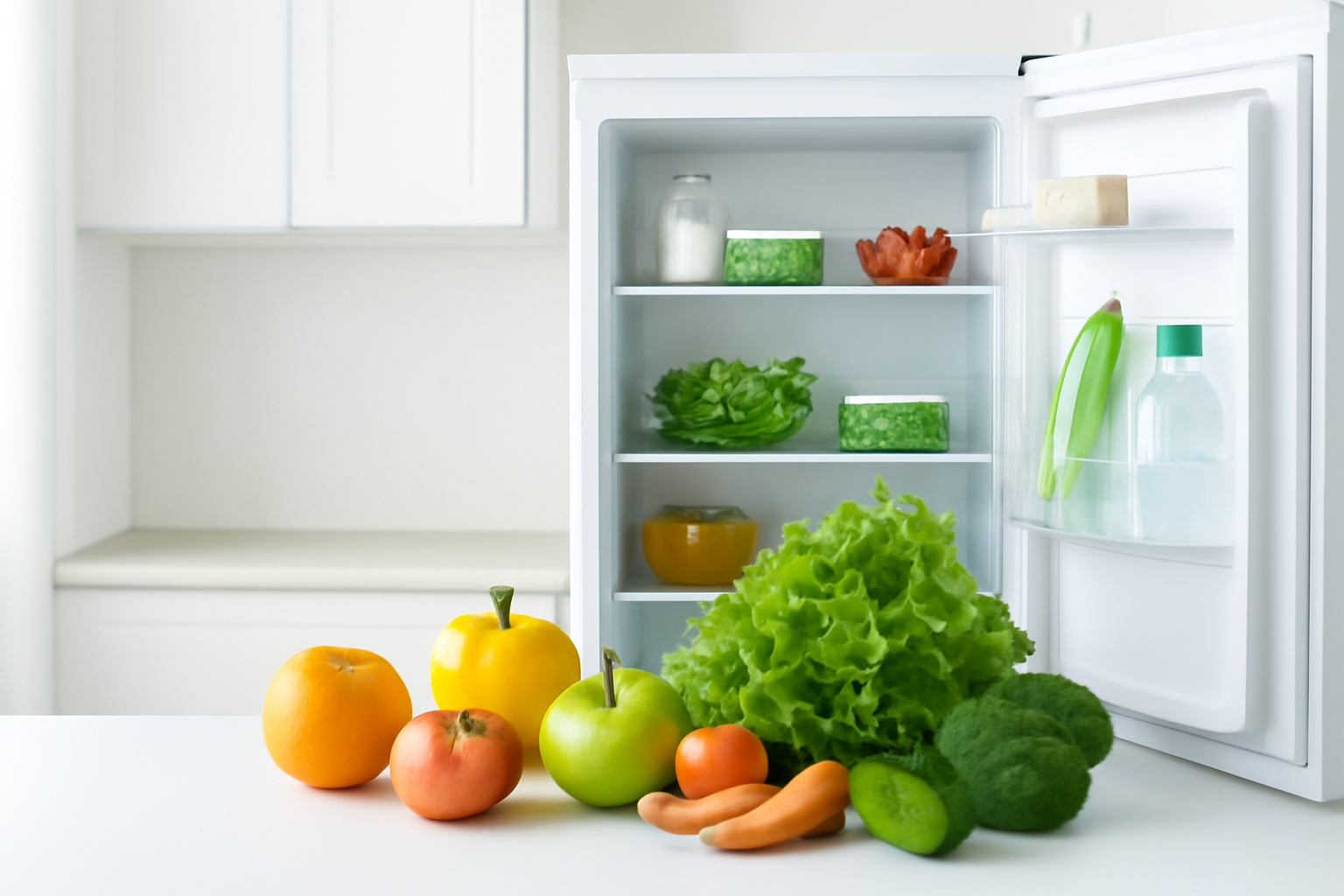
Household food waste is the grocery money a family loses to spoilage, uneaten leftovers and forgotten items. This means every discarded container is a cost you already paid at the register, and it repeats every week. If you are weighing up the Ozoori Fridge Deodorizer, read the verdict first.
Three categories drive most of it: produce, leftovers and dairy. The rest of this piece uses those three as a map.
Published estimates of what a household wastes vary widely by country and by study, so I won’t quote a single national average. Your own number is more useful anyway. For 2 to 4 weeks, jot down everything you throw out of the fridge and what it cost. Add it up. That total is your real cost of waste, and it shows you which category to fix first. (I taped a sticky note to my fridge door and tallied it every night. The leftovers column embarrassed me.)
Food storage habits matter here, and so does fridge odor, because a sour smell is often the first sign that something has gone off. If your fridge smells and you aren’t sure why, our guide on why does my fridge smell covers the common causes.
Why Does Food Spoil So Fast in My Fridge?
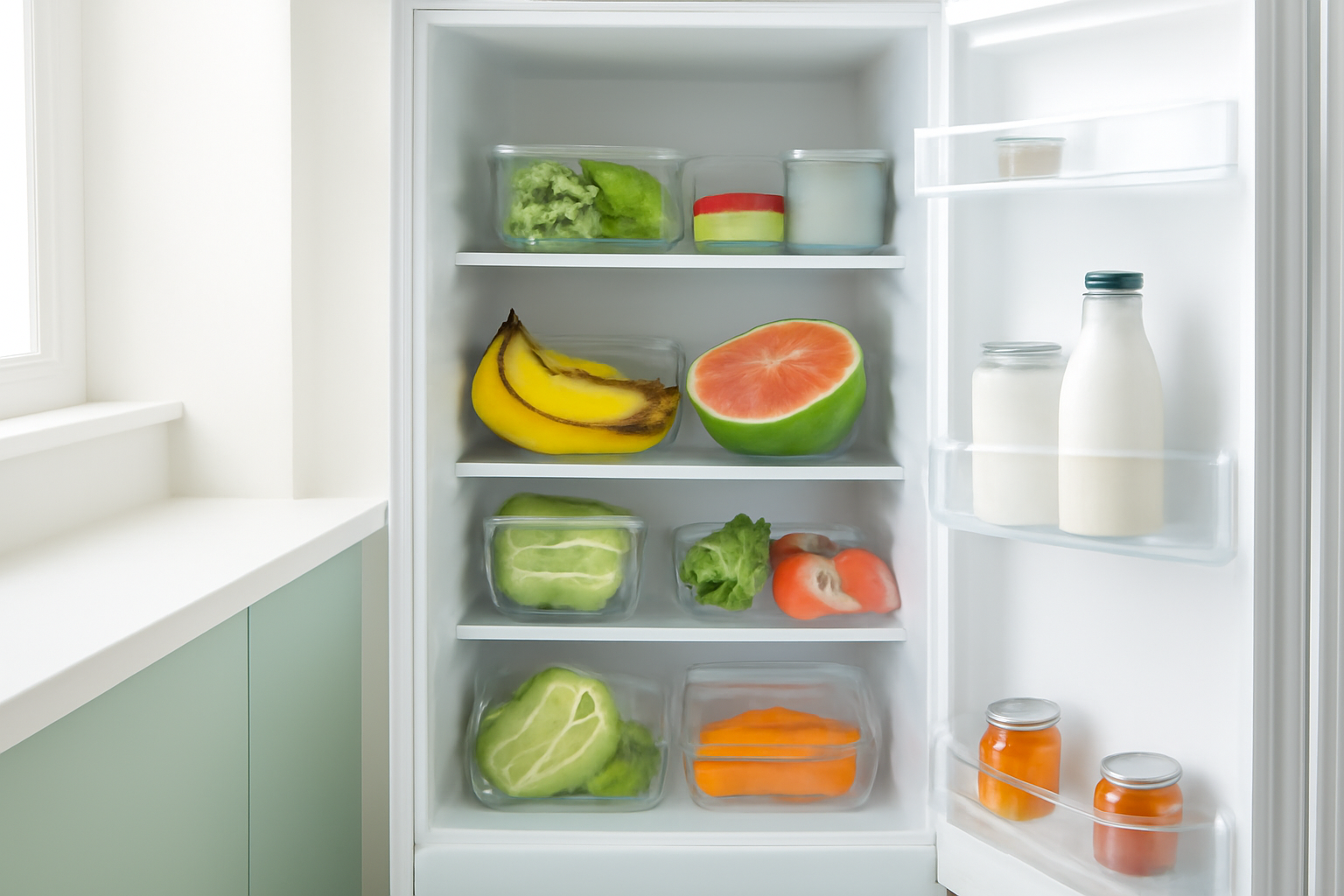
Warm temperatures and poor airflow speed up bacterial growth, and faster bacterial growth means spoiled food sooner. Three drivers sit behind most early spoilage, so check them in this order.
First, temperature. The commonly cited food-safety guideline is a fridge at or below 40°F (4°C). Above that, bacteria multiply faster. A cheap fridge thermometer is the first thing to buy, because the dial setting rarely matches the real air temperature.
Second, fridge airflow. Cold air needs room to move. When shelves are packed or vents are blocked, warm pockets form and some items spoil while others stay fine.
Third, ethylene gas. Ripening fruit releases it, and it shortens the life of produce stored nearby. That is a short version of a bigger topic, so see our ethylene gas and produce spoilage guide for the full list.
One point trips up a lot of people. A common assumption is that smell causes spoilage. The reality is the reverse: odor is a symptom of food already breaking down, not the cause of it.
Which Foods Does a Family Waste Most From Fridge Spoilage?
Produce, leftovers and dairy account for most fridge spoilage in family kitchens. The table below is a qualitative guide, since I don’t have waste percentages by category to share.
| Food group | Why it spoils | Warning sign | One fix |
|---|---|---|---|
| Produce | Ethylene gas from ripening neighbors and moisture build-up | Wilting, sliminess | Separate ethylene-heavy fruit and use the crisper drawer |
| Leftovers | Pushed to the back, no date on the container | Sour smell, film on top | Label with the date and keep an “eat first” spot on a front shelf |
| Dairy | Opened containers, and door storage where temperature swings more | Sour taste, clumping | Keep milk on a main shelf, not the door |
Notice how the fixes are about food storage and placement, not products. For the door question in particular, our piece on what to store in fridge door explains which items handle the warmer spot.
What Are the 4 Habits That Cut Fridge Waste?
First-in-first-out shelving, temperature checks, leftover labels and clear airflow reduce spoiled food and the grocery bill. Each habit takes under five minutes.
- Check the temperature. Place a thermometer on a middle shelf and adjust the dial until it reads 40°F (4°C) or below.
- Shelve first-in-first-out. Put new groceries behind and move older items to the front so they get used first.
- Label leftovers. Write the date and a short “eat by” note on a strip of tape. For how long leftovers keep, follow your local food-safety guidance, since I won’t quote a day count here.
- Clear the airflow. Leave space around vents and avoid overpacking so cold air circulates and slows bacterial growth.
Organization ties these together. Group food by type, with ready-to-eat items up top and raw meat on the bottom shelf, so you can see everything at a glance. Strong smells from alliums are a separate problem with their own fixes, covered in our guide to when your fridge smells like garlic onions.
A rechargeable fridge deodorizer is not a substitute for any of these four habits. It does not change temperature, airflow or what sits forgotten on a shelf.
Is a $49 Fridge Deodorizer Worth It Compared With the Cost of Waste?
The Ozoori Fridge Deodorizer addresses fridge odor but not the causes of spoilage, such as temperature, airflow or forgotten food. That distinction decides whether $49 makes sense for you.
| Option | Upfront cost | Ongoing effort | What it targets |
|---|---|---|---|
| Baking soda box | A few dollars | Replace periodically | Fridge odor |
| Ozoori Fridge Deodorizer | $49 | Recharge by USB-C, up to 4 weeks per charge (maker’s claim) | Fridge odor, per the maker |
The device has no filters or consumables, which is the main appeal over baking soda. The freshness claims are the maker’s, and I can’t measure them at home. For an outside signal, Trustpilot shows 3.7 out of 5 from 140 reviews as of Oct 2026. Reviewers mostly praise the ordering experience and clear product pages, with little independent feedback on odor results. For the full picture, read our Ozoori reviews page.
Here is the decision rule. If your tally shows you tossing food because of smell, a gadget may help. If it shows forgotten leftovers and wilted produce, start with the four habits. The seller states a 30-day money-back guarantee, which lowers the risk of testing it. If you want to compare it with a passive option first, our guide to activated charcoal fridge odor covers the budget route. Safety questions come up too, and are fridge deodorizers safe around food answers them.
Frequently Asked Questions
What foods should go on the top shelf versus the bottom shelf of a fridge?
Ready-to-eat foods like leftovers, drinks and deli items fit best on upper shelves. Raw meat belongs on the bottom shelf in a sealed container so drips cannot reach other food. Keeping the two zones separate also makes it easier to see what needs eating first.
Does a fridge deodorizer help food last longer?
Fridge deodorizers are designed to reduce odor, and the Ozoori’s freshness claims come from the maker rather than independent testing. Food shelf life depends mainly on temperature, airflow and how long items sit unused. Treat a deodorizer as an odor tool, not a spoilage fix.
What is the simplest way for a busy parent to start cutting fridge waste?
Start with a 2 to 4 week tally of everything you throw out and what it cost. Then pick the one habit that targets your biggest category. For most families that means labeling leftovers and moving older food to the front shelf.