This page contains affiliate links. We may earn a commission at no extra cost to you. Read our disclosure.
If you brew coffee every morning, your leftover filter grounds can work as a free fridge deodorizer, but only after you dry them. Wet grounds turn into a mold project in about a week. Here is how to handle used coffee grounds for fridge odor without the mess.
Key Takeaways:
- Dry the grounds completely first: spread them in a thin layer for roughly 24 to 48 hours (or until they feel like loose sand) before they go anywhere near the fridge, since damp grounds grow mold.
- Start with about 2 to 4 tablespoons of dried grounds in one shallow open container, and plan to swap them roughly every 2 weeks or as soon as the coffee scent fades. These are starting points to adjust in your own fridge, not tested figures.
- Used grounds mostly add a coffee scent on top of the existing smell, so treat them as a free stopgap, and find and remove the source of the odor for a lasting fix.
Do Used Coffee Grounds Absorb Fridge Smell, or Just Cover It?
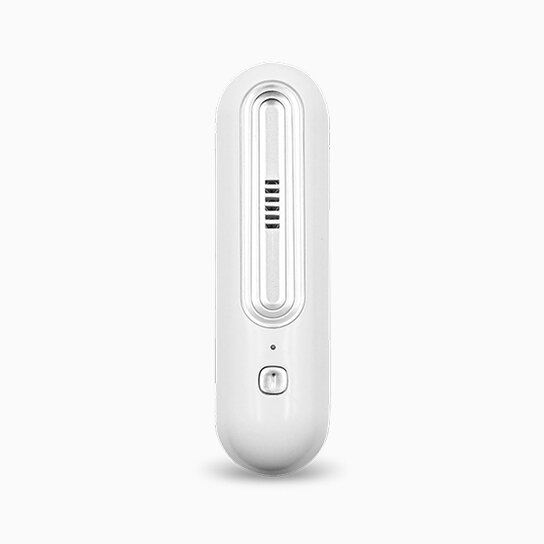
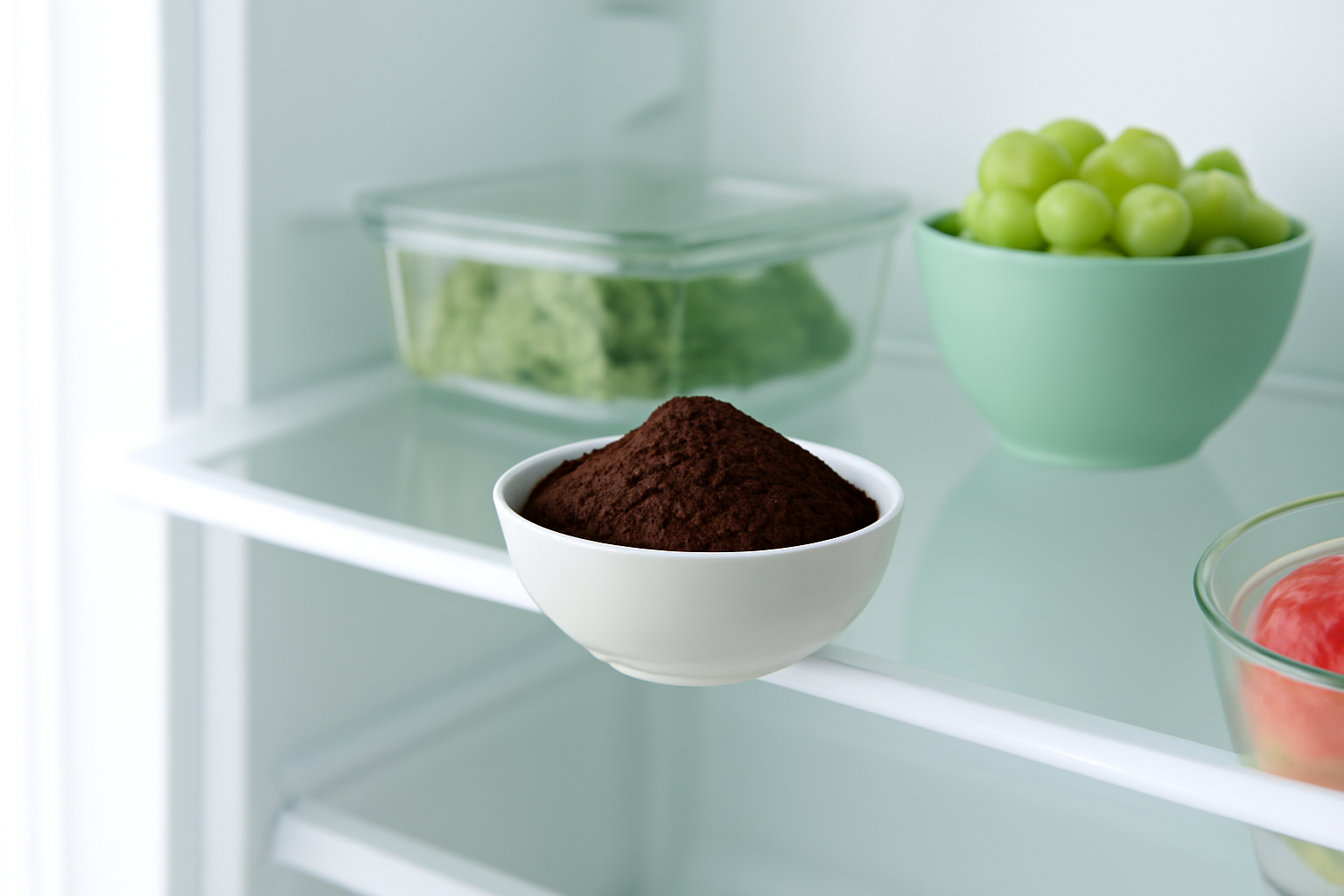
Dried coffee grounds mask fridge odor and may absorb a little of it, but much of what you notice is the coffee scent sitting on top of the old smell. Dried coffee grounds are spent grounds from a finished brew that have been left to dry out until they feel loose and sandy. This means they work as passive absorbers: they sit in the fridge, and air drifts past them with no power or effort from you. If you are weighing up the Ozoori Fridge Deodorizer, read the verdict first.
Think of it like lighting a candle in a stuffy room. The candle changes what you smell, but it does not clear the air. Coffee grounds do something similar. Their porous, carbon-rich texture gives them some ability to hold onto odor molecules, yet they are not engineered the way activated charcoal is, and nobody has published solid, home-testable proof of how much smell they remove.
So how do you judge whether they work? Only by your nose. Put a bowl in, wait 24 hours, and smell the fridge when you first open the door.
A common assumption is that a strong coffee smell means the odor is gone. The reality is that the coffee scent can be louder than the problem underneath it. There is a food trade-off too. Butter, cheese, and open dairy can pick up coffee aroma, so masking has a cost. One thing worth saying plainly: if a forgotten container of leftovers is the real source, grounds will not rescue you. They are a stopgap, and the source still has to go.
Fresh vs Used Coffee Grounds: Which Works Better in the Fridge?
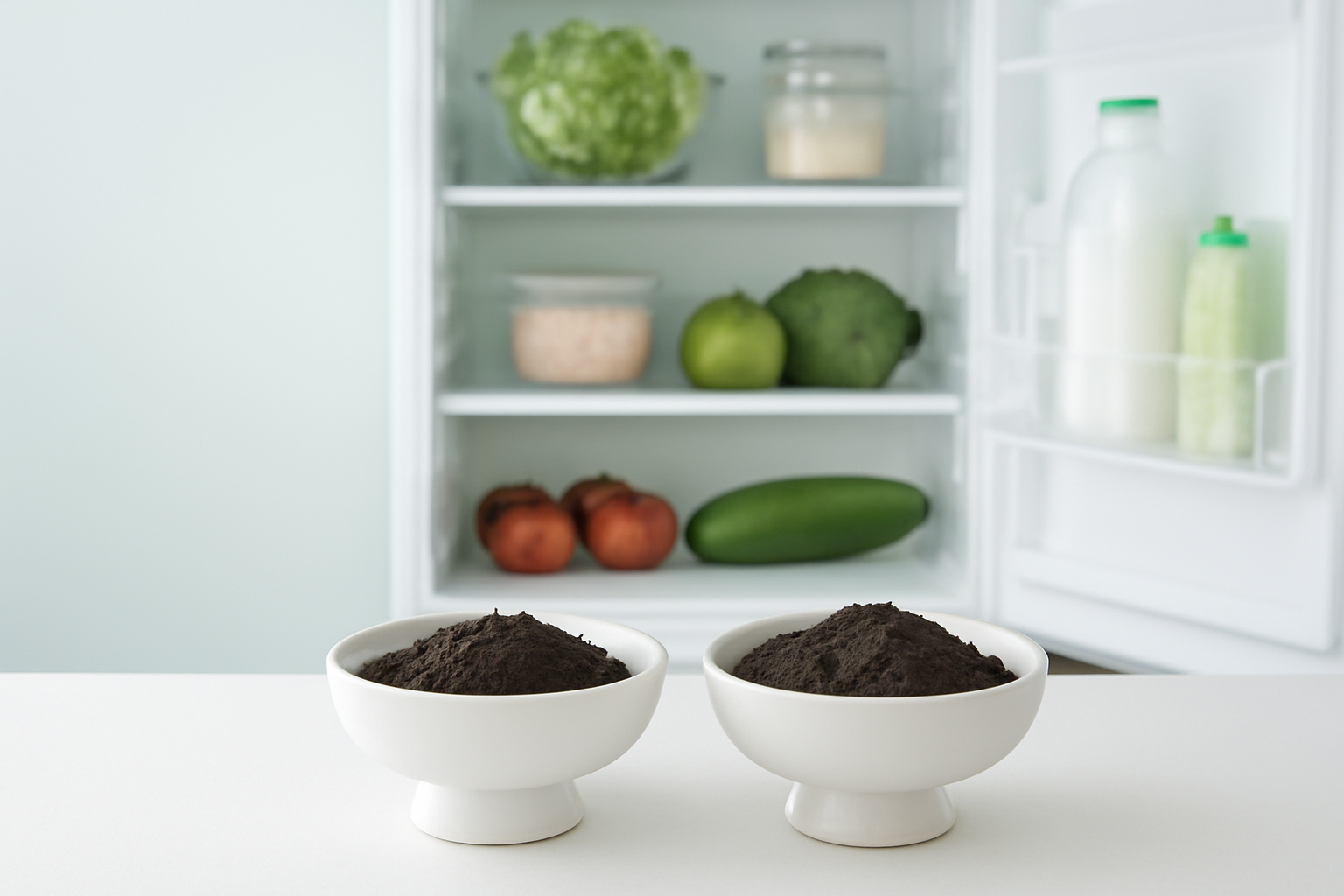
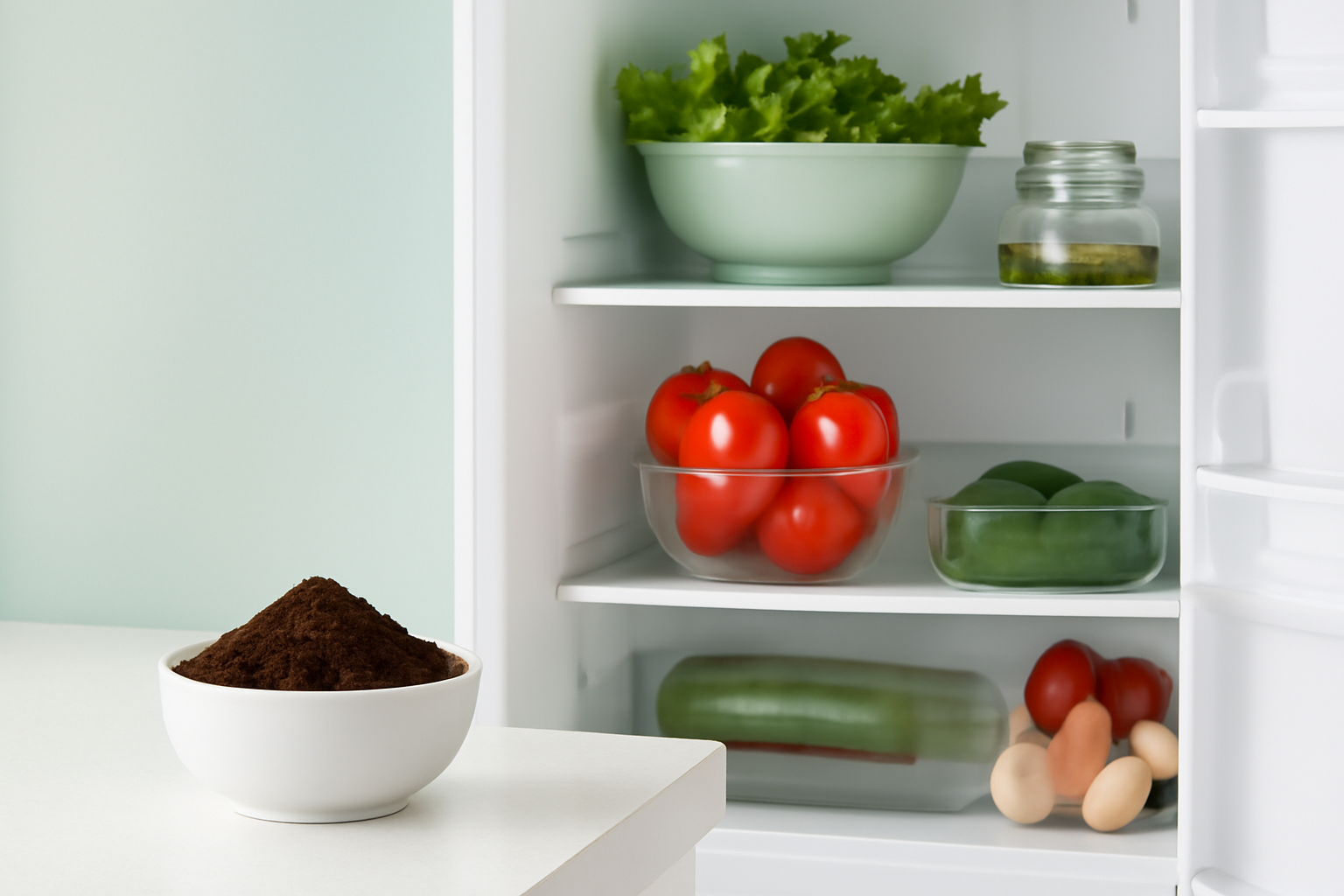
Used coffee grounds suit budget fridge deodorizing once you dry them, because they cost nothing when you already brew daily. Fresh grounds smell stronger and need no drying, but you pay for them, which defeats the point of a free fix. Wet grounds straight from the filter are the one version to avoid.
| Feature | Fresh dry grounds | Used grounds, dried | Used grounds, straight from filter |
|---|---|---|---|
| Scent strength | Strongest, so more masking | Milder, more subtle | Mild, but damp and sour over time |
| Moisture risk | Low | Low once fully dry | High, molds within days |
| Cost per month | Ongoing purchase | Effectively zero if you brew daily | Zero |
| Best use | When you have no used grounds | Daily brewers wanting a free stopgap | Not for the fridge |
For a household that brews every day, dried used grounds are the practical winner. You already have them, they cost nothing, and a milder scent is easier on butter and cheese. I would not claim a number for how much stronger fresh grounds smell, since I have no measurement for it. If you want the strongest coffee aroma, fresh grounds deliver it, but you are buying a deodorizer at that point, and a box of baking soda is cheaper and has a clearer track record. If you are weighing those two, the question of whether baking soda absorbs fridge odors is worth reading before you decide.
How Do You Dry Coffee Grounds So They Don’t Mold?
Thin-layer drying prevents mold on coffee grounds by removing the moisture that mold needs. Moisture is the whole problem here. A fridge is cold, closed, and often a little damp, which makes it a friendly home for mold, so grounds that are even slightly wet will go fuzzy. Learning how to dry coffee grounds for the fridge comes down to one habit: never rush them into a container.
- Let the used grounds cool, then tip them out of the filter.
- Spread them in a thin layer on a baking sheet, plate, or parchment-lined tray so air reaches every bit.
- Set the tray somewhere with good airflow, and stir or break up clumps once or twice until the grounds feel like loose sand.
- If you are in a hurry, try a low oven for a short stretch, and stay close to watch them. Ovens vary, so I will not give you a tested temperature or time. Check them often and pull them out when they feel dry.
- Pinch a handful to test it. If it clumps or feels cool and damp, keep drying.
On the counter, drying takes roughly a day or two in a thin layer. Treat that as a rough guide, not a lab figure. Your kitchen’s humidity changes the timing, so the texture test matters more than the clock.
What can go wrong? Sealing grounds in a jar before they are fully dry. Trapped moisture breeds mold quickly, and you will not see it until the jar is already ruined. Success looks like grounds that pour freely, with no clumps and no cool, damp feel.
How Do You Use Coffee Grounds in the Fridge, Step by Step?
An open shallow container of dried grounds, placed on a middle shelf, can deodorize a small fridge when you pair it with a real cleanout. These steps cover how to use coffee grounds in the fridge from start to finish.
- Clear out the source of the smell first. Toss spoiled leftovers and wipe up any leaking container, because grounds cannot fix a rotting item.
- Pick a shallow, open container such as a small bowl, a ramekin, or an open jar. Air has to reach the grounds, so a sealed lid defeats the purpose.
- Add roughly 2 to 4 tablespoons of dried grounds. Treat that as a starting guess to adjust, since no tested dose exists for a home fridge.
- Set it on a middle or back shelf, away from the door. Air circulates there, and the bowl will not tip when the door swings.
- Keep it away from open butter, cheese, and dairy to limit scent transfer.
- Smell the fridge after a day. If the odor is still there, add a little more or move the bowl.
If spills worry you, scoop the grounds into a coffee filter or a small mesh bag and tie it shut. That keeps grounds off your shelves and makes the swap quick. The same approach works for the door, though what to store in the fridge door matters too, since warm, frequently opened spots are where smelly items tend to hide.
Like a box of baking soda, this is a passive absorber. It works through air contact and needs no power. One thing I should mention: a bowl on the wrong shelf can tip into raw meat juices or a crisper, so place it where nothing drips and nothing gets bumped. Success is a fridge that smells neutral, or mildly of coffee, when you open the door.
How Long Do Coffee Grounds Last in the Fridge?
Dried coffee grounds need replacing after roughly 2 weeks, or sooner when the scent fades. Treat the 2 weeks as a rule of thumb, not a tested interval. A fridge that catches strong smells, like fish or cut onions, may exhaust the grounds faster. These signs tell you the grounds are spent or unsafe to keep:
- The coffee smell has faded, which means the grounds have little left to give.
- They feel damp or clumped, which means moisture got in and mold is likely next.
- Any fuzzy or white-green growth appears. Toss the whole batch immediately.
- A sour or musty smell shows up, which signals the grounds have started to turn.
The cash cost per month is effectively zero when you already brew daily. The real cost is your time, since you have to dry a fresh batch every couple of weeks. That is a few minutes of effort, but it is a recurring chore, and some parents will find it easy to forget.
If the spent grounds show no mold, drop them in the compost or the garden. Bin the moldy ones. Success is a simple routine: one batch drying while the other works in the fridge.
Frequently Asked Questions
Can I put wet coffee grounds straight into the fridge?
No. Wet grounds hold moisture, which invites mold within a few days and can leave your fridge smelling worse. Spread them thin on a tray or paper towel and let them dry completely first. They should feel dry and crumbly, with no clumping, before they go in a container.
How many used coffee grounds should I put in a fridge?
A small open bowl or jar holding about half a cup to one cup of dry grounds is a common starting point for a standard fridge. Keep it on a shelf away from raw meat, and swap in fresh dry grounds when the smell returns.
Is a coffee grounds bowl or a reusable fridge gadget better for odors?
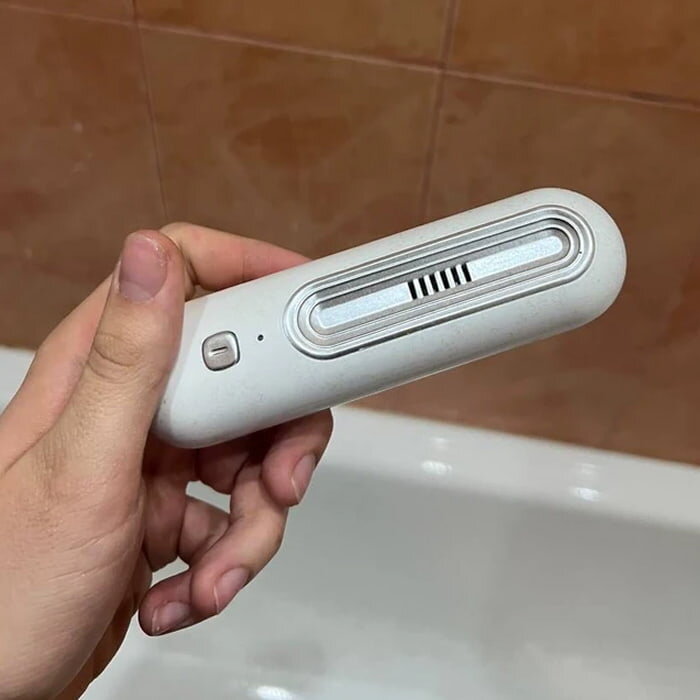
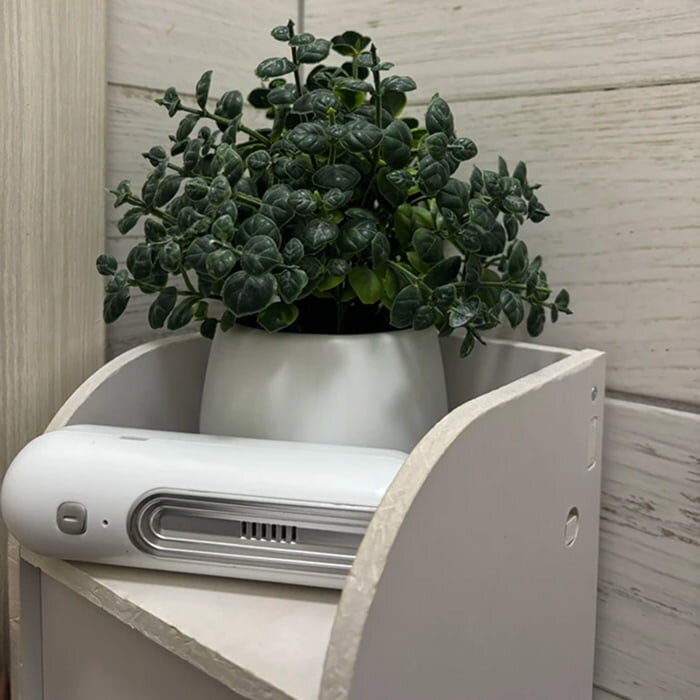
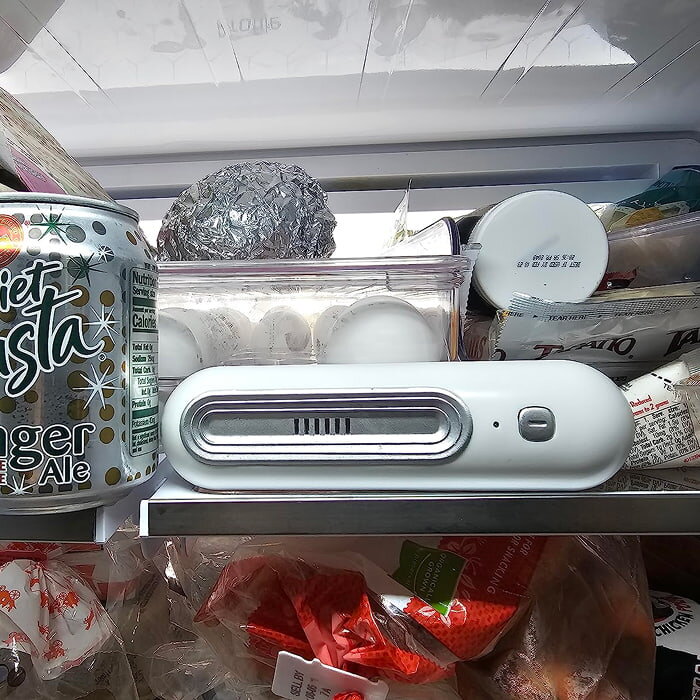
Grounds cost almost nothing but need drying, a container, and regular swapping. A reusable gadget such as the Ozoori Fridge Deodorizer costs $49 and needs recharging about every four weeks. Its freshness claims come from the maker and are not independently verified, so grounds are the safer low-cost test. If you want a fuller look at that trade-off, the Ozoori reviews breakdown covers it, and the passive vs rechargeable fridge deodorizer comparison weighs the two approaches side by side.