This page contains affiliate links. We may earn a commission at no extra cost to you. Read our disclosure.
The fridge door is the warmest, most unstable spot in the whole fridge, and most families store their most perishable groceries right there. Deciding what to store in the fridge door takes about five minutes and can save milk, eggs, and leftovers from souring early.
Key Takeaways:
- The door is the warmest zone in the fridge because it meets room air every time it opens, which is why only items with built-in preservatives (vinegar, salt, sugar, acid) belong there.
- Milk, eggs, and cooked leftovers move to the back of a middle or lower shelf, where the temperature stays steadiest. That is two of the most common door items, relocated in under a minute.
- A fridge thermometer on the door shelf and another on a back shelf shows the gap in your own fridge in one afternoon, so you sort by evidence rather than guesswork.
Quick Answer: 6 Parts of Sorting Your Fridge Door
- The door zone: The shelves and bins on the door swing the most in temperature, so treat them as the least stable storage in the fridge.
- Best door items: Ketchup, mustard, hot sauce, soy sauce, dressings, jams, pickles, juice, and water bottles hold up because salt, sugar, and acid protect them.
- Milk and eggs: Both do better on an interior shelf than in the molded slot or tray on the door.
- Keep-or-move table: Leftovers, raw meat, deli meat, produce, and cut fruit all belong inside, in containers or crisper drawers.
- The 5-step sort: Measure, sort, wipe, check the seal, and schedule a weekly look.
- Deodorizers: Fix storage habits first, since most door smells come from leaky lids and old jars.
What Is the Fridge Door Zone, and Why Is It the Warmest Spot?
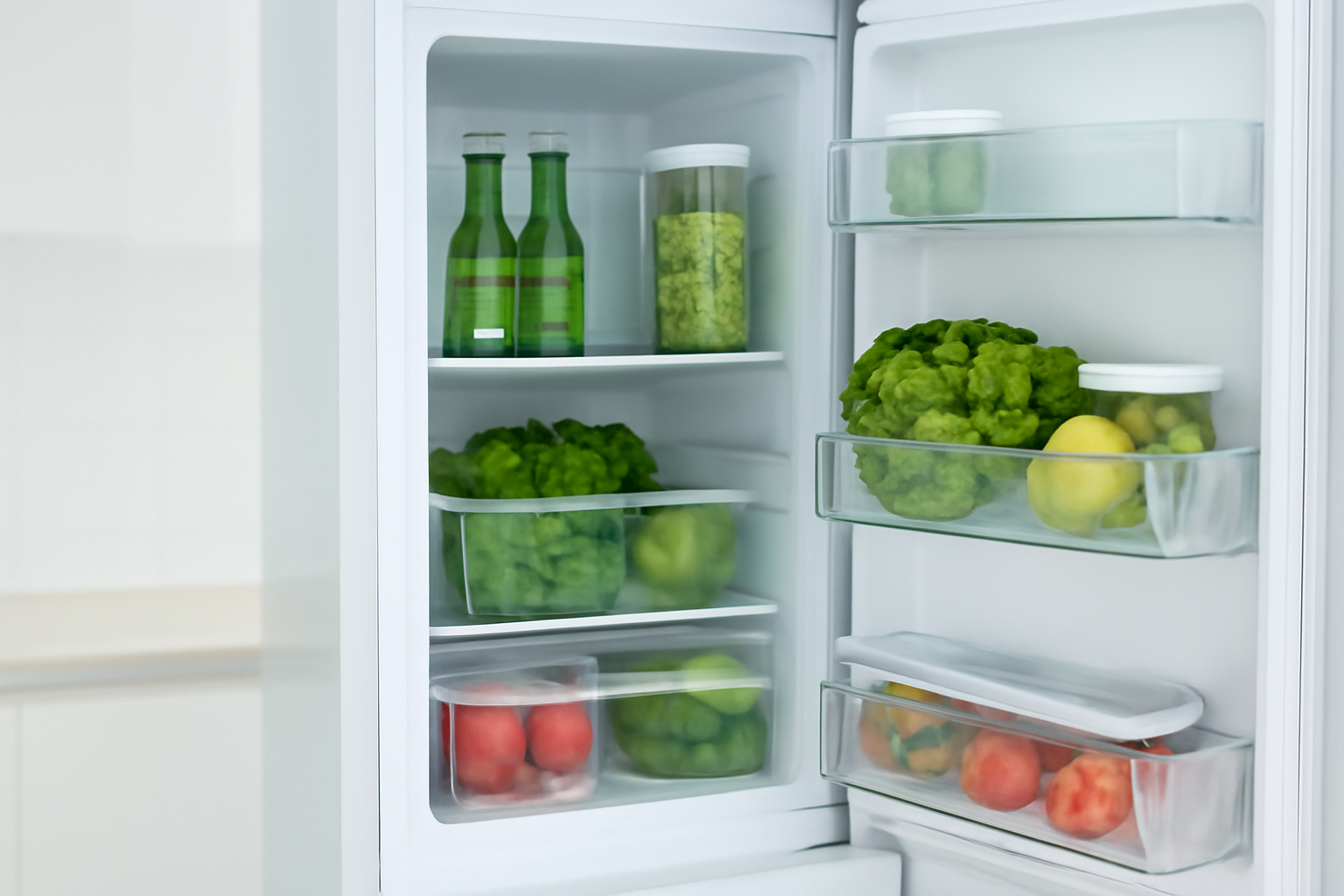
The fridge door zone is the set of shelves and bins mounted on the inside of the door, separate from the main cabinet shelves. This means it behaves like a different climate from the rest of your fridge, even though it sits only a few inches away. If you are weighing up the Ozoori Fridge Deodorizer, read the verdict first.
Think of the door as the front porch of the fridge, while the back shelves are the interior rooms. The porch feels every change in weather. The interior stays calm.
Why does this happen? Fridge door compartments sit closest to room air and farthest from the cold air outlet, and they take the first hit of warm air each time someone opens the door. They experience the largest temperature swings in the fridge, because the cold air that spills out on every opening gets replaced with kitchen air. Two things make the swings bigger. One is door opening frequency: a house with kids grabbing juice all afternoon opens the door far more often than a household of one. The other is a worn gasket seal, the rubber strip around the door edge, which lets warm air leak in even when the door looks closed.
So how warm does the door shelf get? General food-safety guidance puts the safe fridge setting at or below 40°F (4°C), and that is your reference line. Door-shelf readings vary by model, and no single published number applies to every fridge. A cheap thermometer on the door shelf will tell you more than any average, and the sorting steps later in this piece show how to use one. Airflow matters here too, because the door sits outside the main loop of circulating cold air that keeps the shelves steady.
What Are the Best Items for Fridge Door Shelves?
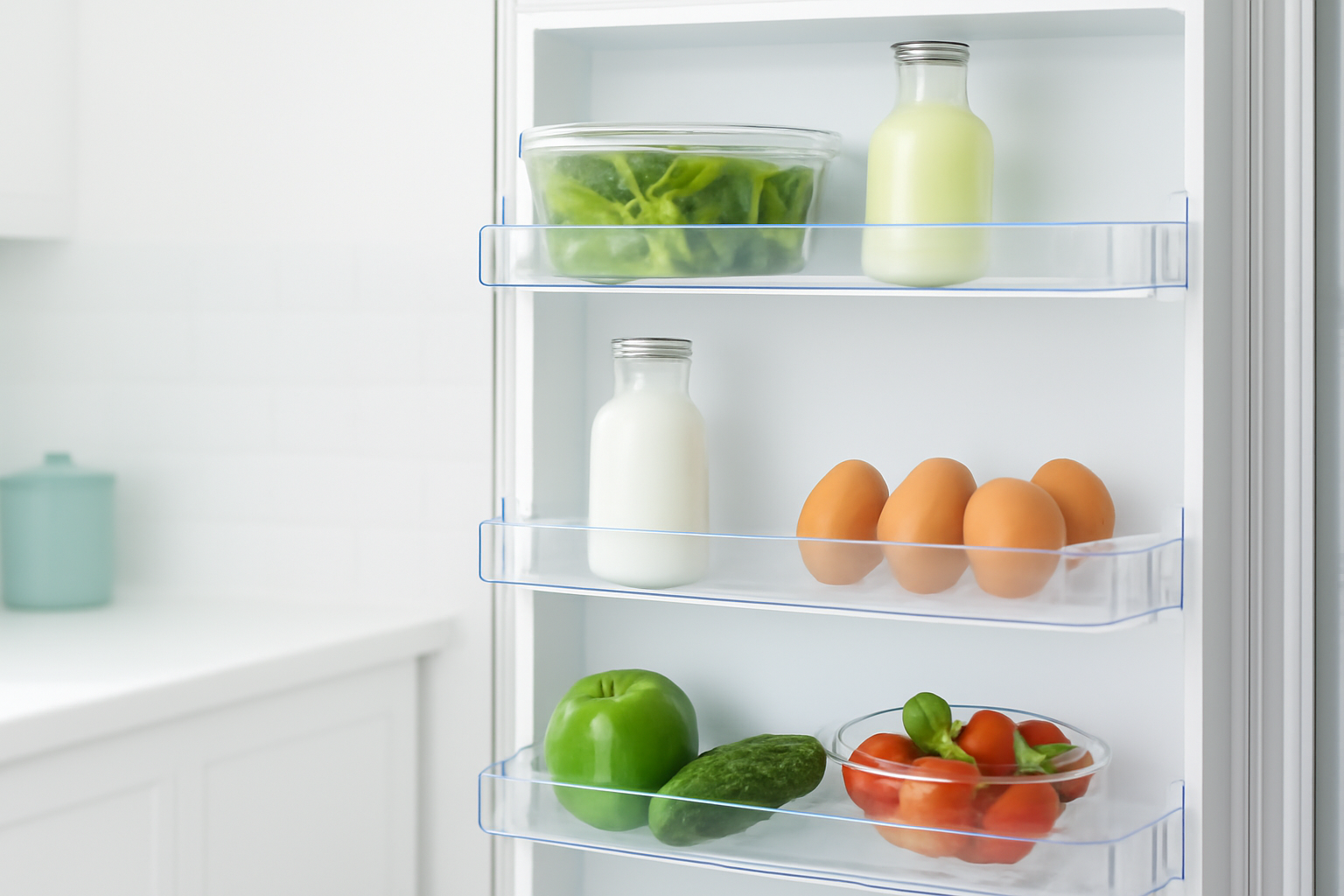
Condiments and sauces tolerate door storage because vinegar, salt, sugar, and acid preserve them against temperature swings. A few degrees of drift matters little to a food that spoilage organisms struggle to grow in anyway.
These eight categories suit the door:
- Ketchup and mustard: Both are high in vinegar and salt, so they shrug off the door’s ups and downs.
- Hot sauce: Vinegar and capsaicin-heavy recipes keep well in the door for long stretches.
- Soy sauce: Its salt content makes it one of the sturdiest bottles in the fridge.
- Salad dressings: Oil-and-vinegar styles do well, though creamy dressings with dairy are worth a label check.
- Jams and jellies: Sugar is the preservative here, and it handles the door well.
- Pickles and olives in brine: The brine protects them, and the tall jars sit stable in a deep bin.
- Bottled juice: Acid and sealed packaging make it a fine door item, as long as you follow the opened-storage line on the label.
- Water bottles: They have no spoilage concern at all and free up interior shelf space.
Door bins work best for tall bottles and jars, which sit steady in the deeper compartments and leave the main shelves open for food that needs the cold. Wipe lids and rims when you put things back. Sticky rims collect drips and crumbs, and they are a common source of door-shelf smell.
One borderline case: opened jars of fresh salsa or pesto. These spoil faster than shelf-stable sauces, so keep them in airtight containers on an interior shelf rather than the door. For every item, check the product label for its own opened-storage instructions, since guidance differs by brand and recipe.
Is It OK to Keep Milk and Eggs in the Fridge Door?
No, the door is the wrong spot for milk and eggs, even though many fridges come with a milk slot or an egg tray molded into the door. Both items spoil faster or lose quality there, because repeated warm-air exposure shortens their safe window.
A common assumption is that the fridge maker built in an egg tray, so it must be fine. The reality is that those trays are a convenience feature. A milk jug on the door gets lifted, poured, and returned several times a day, and each trip through the warm kitchen followed by the door shelf’s swings adds up. Milk is among the most temperature-sensitive items you own, and it sours sooner when it drifts warm. A carton on the verge of turning also puts out a sour smell that can taint the fridge air and send you looking for a fridge odor problem that is a milk problem.
Eggs hold up better than milk, but the back of a middle shelf holds a steadier temperature than any door tray. Eggs in their original carton are also better protected from absorbing odors than loose eggs in an open tray.
The fix takes under a minute. Milk goes to the back of a lower or middle shelf. Eggs go in their carton on a middle shelf. That is two items moved from door to back-of-shelf, and no percentage or spoilage multiplier comes with it, because none is sourced.
Be fair to your own fridge, though. A model with a very effective door seal and light daily use narrows the gap between door and shelf. The safer habit still costs nothing, so most families come out ahead by making the move.
What Should Not Go in the Fridge Door? A Keep-or-Move Table
Perishable and sensitive foods belong on interior shelves or in crisper drawers rather than the door. The table below covers ten common items.
| Item | Door or Move | Where It Goes Instead | Why |
|---|---|---|---|
| Milk | Move | Back of a lower or middle shelf | Most temperature-sensitive item; sours sooner when it warms |
| Eggs | Move | Middle shelf, in the carton | Steadier temperature and better odor protection |
| Leftovers and cooked meals | Move | Middle shelf, in airtight containers | Cooked food needs steady cold and a sealed lid to keep smells in |
| Raw meat and poultry | Move | Bottom shelf, contained | Keeps drips away from other food |
| Deli meat | Move | Interior shelf, sealed | Ready-to-eat food should not ride out the door’s swings |
| Butter | Judgment call | Door compartment is acceptable; a covered dish inside keeps it away from odors | Butter keeps well, but it picks up smells easily |
| Fresh produce | Move | Crisper drawers | Drawers hold humidity that suits produce |
| Cut fruit | Move | Airtight container on a shelf | Cut surfaces spoil fast and leak smells |
| Ketchup and mustard | Door | Door bin | Vinegar and salt protect them |
| Pickles and dressings | Door | Door bin | Brine and acid protect them |
Fridge organization matters beyond the door, too. Keep interior shelves loose enough for cold air to circulate, because packed shelves block airflow and create warm pockets where food spoils sooner. The same goes for the door itself: an overstuffed door can keep the fridge from closing flush, which lets warm air in all day. If you have been reading about how ethylene gas and produce spoilage work, the crisper drawer is also where you separate the fruits that ripen everything around them.
How Do You Sort Your Fridge Door in 5 Steps?
A weekly door sort keeps perishable items on stable shelves and stops sticky leftovers from souring the fridge. Here is the version for a busy parent:
- Measure first. Empty the door, then set a thermometer on the door shelf and another on a back shelf for a day or two, and read both.
- Sort with the table. Preservative-rich items go back in the door. Anything perishable moves to an interior shelf or drawer.
- Wipe and inspect. Clean the shelves and bin rims, and look for sticky drips, expired jars, and leaking lids.
- Test the gasket. Close the door on a slip of paper and tug it. If it slides out with no resistance, the seal may be weak.
- Schedule the habit. Put a weekly check on the calendar, and decide what you need before you open the door so it stays open for less time.
This routine ties directly to odor. An old jar leaking in the door is a quiet source of smell, and a box of baking soda on an interior shelf can handle mild odors, though it will not fix a spoiled item. A monthly full wipe-down is a separate job, covered in our fridge cleaning routine guide, and that deep cleaning goes well beyond this five-minute door check. Weekly checks and a monthly deep clean work as a pair.
Can a Fridge Deodorizer Help With Door-Shelf Smells?
Door-shelf storage habits cause most door-zone odors, so relocating items and wiping spills addresses the source before any deodorizer does. Leaky lids, old sauces, and spills produce the smell, and a deodorizer can only reduce it after those are gone.
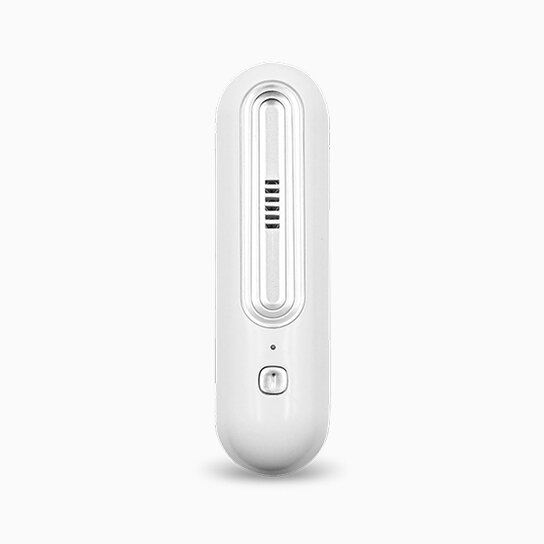
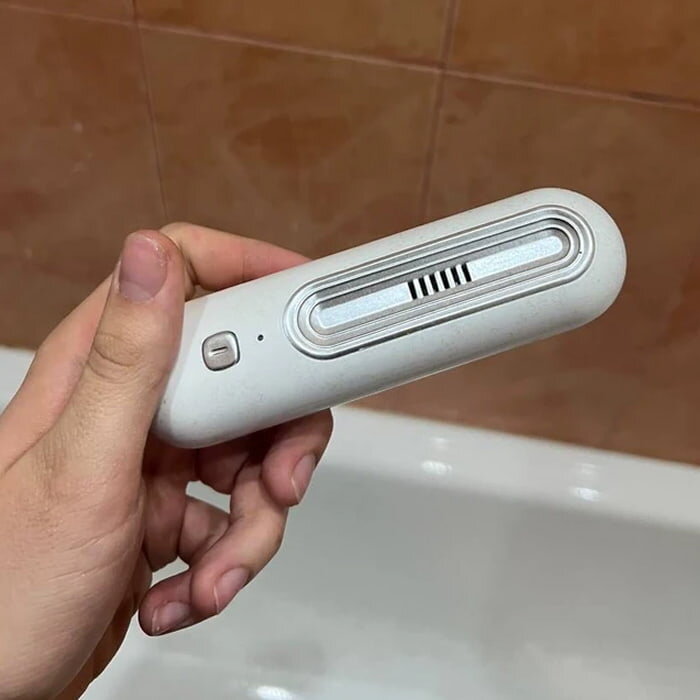
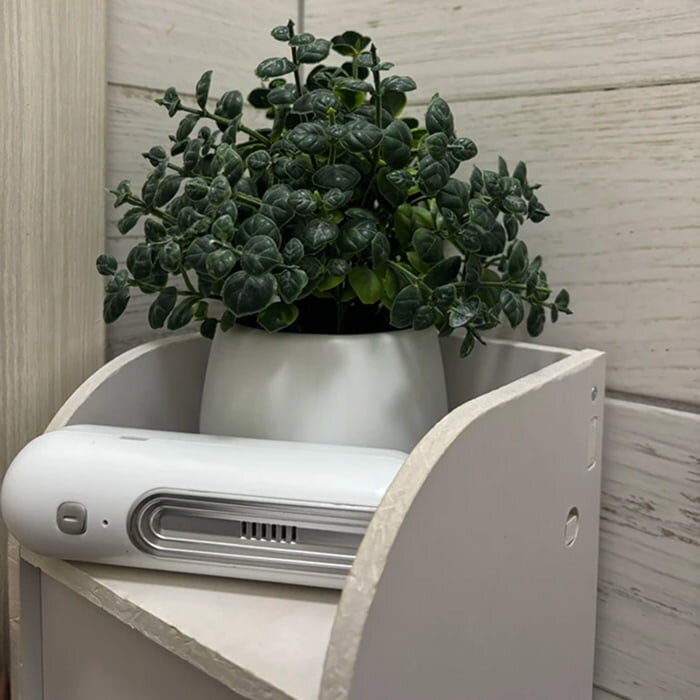
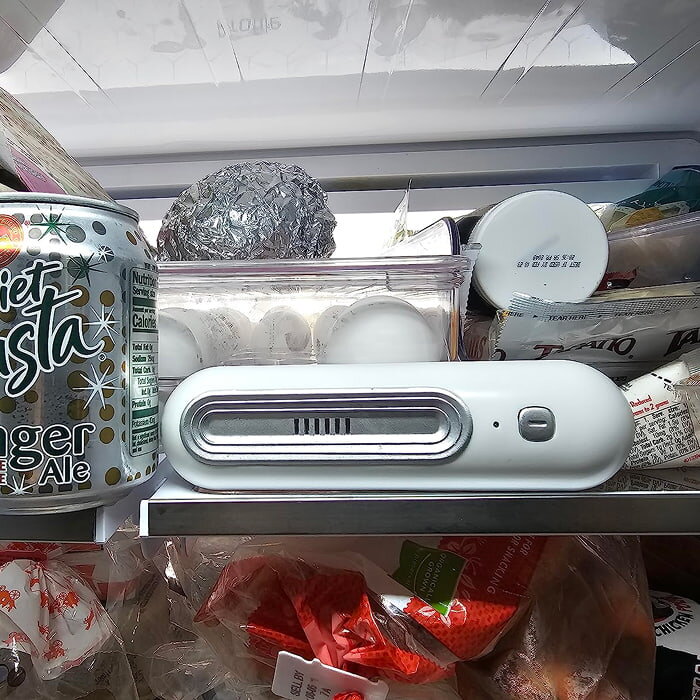
A box of baking soda is the cheap first step. A rechargeable device such as the Ozoori Fridge Deodorizer is an option for readers who have already sorted and cleaned and still want something running in the background. The maker describes it as using a ceramic core and a photocatalytic element, and I cannot measure freshness results in a home fridge, so treat that as the maker’s description. The maker also states up to 4 weeks per charge, which is its own claim.
The trade-off is plain. It costs more upfront than a baking soda box ($49), and it needs periodic recharging. Independent feedback is lukewarm: Trustpilot shows 3.7 out of 5 from 140 reviews as of Oct 2026, and reviewers mostly describe the buying experience rather than odor results. A small device can sit in a door compartment, but check the product’s own documentation for placement. If you want the details before deciding, the Ozoori reviews breakdown covers what the evidence does and does not show. And if smells keep returning after all of this, the fridge smell comes back guide looks at why.
Frequently Asked Questions
How cold does the fridge door actually get compared with the back of the fridge?
The door is usually the warmest part of the fridge because it swings open often and sits farthest from the cooling source. Temperatures there can run several degrees above the back of the main shelves. A cheap fridge thermometer placed in the door shows your actual reading, which beats guessing.
Which foods are safe to keep in the fridge door if I run out of space?
Condiments with vinegar, salt, or sugar hold up best in the door, including ketchup, mustard, soy sauce, hot sauce, jams, and pickles. Bottled water and juice work too. Items that spoil quickly, such as raw meat, cut fruit, and leftovers, belong on a main shelf where temperatures stay steadier.
Do I need to move butter and cheese out of the door?
Butter keeps fine in a covered dish in the door, since its high fat and low moisture slow spoilage. Soft cheeses, opened cream cheese, and anything labeled for strict cold storage fare better on a main shelf. Check each package label, because storage guidance differs by product and brand.
Sorting the door comes down to one rule: if a food has no built-in preservative, it does not belong in the warmest, most unstable spot in the fridge. Measure your own door with a thermometer, move milk, eggs, and leftovers inward, keep sauces and brined jars where they are, and add a weekly look to catch leaks and expired jars. If limp greens turn up when you sort the crisper drawers, our guide on how to revive wilted vegetables covers what is worth saving. Used coffee grounds are another passive option for mild odors, and a rechargeable device’s battery life is worth checking before you buy one, but storage habits are the step that makes the biggest difference first.