This page contains affiliate links. We may earn a commission at no extra cost to you. Read our disclosure.
You scrubbed every shelf, and by Thursday the same stale smell is back. When a fridge smell comes back this fast, the source was almost always never touched. The fix is finding where it hides, and that takes about 30 minutes.
Key Takeaways:
- A fridge smell that returns within days of cleaning usually points to 4 hidden spots shelf-wiping never reaches: the drain hole, the drip pan, the door gaskets and the vents.
- The 5-step empty-fridge test separates a source problem (smell stays with no food inside) from a food problem (smell leaves with the food), so you fix the right thing first.
- Odor control only earns its place after a thorough clean: baking soda costs a few dollars, while the $49 rechargeable Ozoori Fridge Deodorizer is a convenience upgrade whose freshness claims come from the maker, not from independent measurement.
This is one of the more frustrating kitchen problems, because you did the work and the reward lasted three days. If you want the full maintenance rhythm once the smell is gone, a fridge cleaning routine keeps it from returning. And if you are weighing a gadget against a box of baking soda, the Ozoori reviews cover that decision in detail. This guide stays focused on one question: why the smell survives your cleaning. If you are weighing up the Ozoori Fridge Deodorizer, read the verdict first.
Why Does the Fridge Smell Come Back After Cleaning?
A recurring fridge odor is a smell that returns within days of cleaning because the source was never removed, only the visible mess. This means the problem is not your effort. It is where you aimed that effort.
Think of a stained pan. You scrub the top layer, the pan looks better, and yet the stain has soaked into the surface and keeps showing through. A fridge works the same way. Wiping a shelf removes what you can see, but whatever sits deeper keeps releasing scent every time the door closes and the air warms.
The cause usually falls into one of two categories:
- A physical source. Food film in a drain, standing water in a tray, mold in a gasket fold, or a spill that slid under a bin. These keep producing odor because the material itself is still there.
- An absorbed source. The plastic liners, shelves and crisper drawers hold on to smells from strong foods and release them slowly, even when the surface looks clean.
The two often overlap. A fridge that held something spoiled for a week can have both a hidden spill and walls that soaked up the smell. That is why a quick wipe fails: it treats the visible surface of a problem that lives underneath it. (For the wider list of everyday smell causes, the sibling guide on why a fridge smells covers them. Here the focus is on why cleaning fails to end it.)
If you have noticed the smell is worst right after you open the door, that is a clue the source is inside the cabinet, not in one forgotten container. The next section shows where to look.
Where Do the Hidden Odor Sources Hide in a Clean Fridge?

The drain hole, the drip pan, the door gaskets and the vents harbor residue and moisture that keep a fridge odor alive long after the shelves look spotless. Most people never check these spots because they sit behind panels, under bins or inside rubber folds.
Here is where each one hides and what to do about it:
| Hidden spot | What collects there | How to check it | How to clean it |
|---|---|---|---|
| Drain hole at the back of the fridge compartment | Food film that clogs the hole and holds standing water | Look for slime, dark residue or a pool of water near the back wall | Clear it gently with a cotton swab and warm soapy water |
| Drip pan or evaporator tray under or behind the unit | Meltwater that can turn sour over time | Find it using the owner’s manual, then look for cloudy or smelly water | Empty it and wash with warm soapy water, then dry |
| Door gaskets | Crumbs, spills and mold specks trapped in the folds | Run a damp cloth along the folds and see what comes off | Wipe each fold with a soft cloth or old toothbrush, then dry fully |
| Air vents and fan intake | Dust and residue that carry smell through the whole cabinet | Shine a flashlight at the vents and look for buildup | Wipe the visible surfaces with a damp cloth |
| Bins under crisper drawers | Spills that slide beneath and sit unseen | Pull the drawers out and look underneath | Remove the bins and wash them, then dry before replacing |
Check your owner’s manual before pulling any panel or tray. Some drip pans are easy to reach and others are not, and the manual tells you which is which. If the access is unclear, leave that spot alone and focus on the ones you can reach safely.
The spot that most often surprises people is the door gasket, because it looks clean from the outside while the folds hold months of buildup. Do not guess how dirty each spot is. Look at it, smell it, and clean what you find.
This table also shows why fridge organization matters here: a cluttered fridge hides these zones, while a tidy one lets you spot a leak or spill before it settles.
Why Can Plastic Liners and Residual Mold Keep a Cleaned Fridge Smelling?
Plastic liners and shelves absorb odor molecules from strong foods, then release them back into the fridge after you have cleaned the surface. This is why a fridge can look spotless and still smell stale.
A common assumption is that if it looks clean, it is clean. The reality is that visible cleanliness and an odor-free fridge are different things. The interior liner, the shelves and the crisper drawers are plastic, and plastic can hold on to smell the way a plastic food container holds on to curry. How long that lasts varies by material and by food, and I have no measured figure to give you, so treat any promised duration with caution.
Residual bacteria and mold add a second layer. A wipe that pushes residue around without lifting it leaves the growth in place. A damp spot left to sit invites it back. Mold and bacteria cause smell and can spoil food faster, which is a good reason to dry surfaces fully. No wipe, spray or gadget should be treated as a guarantee that a surface is sanitized, so stick to what you can verify by sight and smell.
I’ve seen this happen when someone deep cleans a fridge, puts everything back in open containers, and finds the smell back within days. Uncovered food re-contaminates a clean fridge fast, because the odor from one strong item spreads to the walls and to the food beside it. That is where airtight containers earn their keep. They matter after the cleaning, not just before it, because they keep strong smells from soaking into the liner you just cleaned.
Store leftovers, cut produce and anything pungent in sealed containers, and keep raw items in their own bins. Your crisper drawers will stay cleaner, and so will your nose.
Which Cleaning Mistakes Let the Odor Return?
Incomplete cleaning habits let odor sources survive, and that is how the smell returns. These six mistakes are the usual culprits, each with a quick fix:
- Wiping shelves but skipping the drain hole and gaskets. These hold the residue that restarts the smell. Add them to every deep cleaning.
- Leaving surfaces damp after cleaning. Moisture invites mold back. Dry every surface with a clean cloth before you close the door.
- Using a strongly scented cleaner. It can mask the smell for a day while the source stays. Rinse well and use a mild cleaner, and check what the manufacturer says is safe for the interior.
- Cleaning with food still inside. Shelves get re-soiled and old items get missed. Empty the fridge first so you can see everything.
- Putting uncovered food back into a clean fridge. Open containers spread smell right away. Use airtight containers for anything strong or already cut.
- Cleaning once and never doing weekly checks. One forgotten container restarts the whole problem. A quick look through the fridge each week catches it early.
Baking soda has a role here. A little in warm water works well for wiping interiors, and mixed into a gentle paste it helps lift grime from stubborn spots. It cleans and absorbs, but do not count on it to kill germs.
These are easy mistakes to make, and nearly everyone has made at least a few of them.
How Do You Find the Source? A 5-Step Diagnostic Checklist
An empty-fridge test isolates whether the odor comes from food, the fridge itself or the drain system. This is a home check by nose and eye, not a measurement, but it points you at the right fix.
- Empty the fridge completely. Move the food into a cooler, leave the door open for a short time, then sniff the cabinet and note where the smell is strongest.
- Remove the shelves and crisper drawers. Sniff each piece separately. If a drawer smells on its own, the odor is absorbed into the plastic.
- Inspect the hidden zones with a flashlight. Check the drain hole, back wall, vents and the space under the bins for film, slime or dark specks.
- Smell and inspect the door gaskets. Run a damp cloth along the folds and see what comes off. Dark or gritty residue means the gasket is a source.
- Return only fresh food in airtight containers. Wait a few days and note whether the smell comes back. A few days is a plain suggestion, not a promise of timing.
Use this reading guide to interpret what you find:
- Smell gone with the food out: you have a food or container problem. Look for a forgotten item or a leaky lid.
- Smell stays with the fridge empty: a hidden source or absorbed smell is the cause. Go back to the drain, the pan, the gaskets and the liners.
- Smell returns only after you put items back: one item is the culprit. Reintroduce food in small groups to find it.
If you identified a food culprit with a strong, specific smell, such as garlic or onion, the fixes in the guide on fridge smells like garlic onions apply. For produce that rots your other groceries, check the reading on ethylene gas produce spoilage. Where you store items matters too, so a look at what to store in fridge door can keep spoilage-prone foods away from the warmest spot.
If none of the above worked
If the smell persists after every step, a source is probably in a spot you cannot reach, such as inside a sealed panel or behind the back wall. Check the manual for guidance on access, or contact the manufacturer or a technician. Do not pry open panels to reach it. A fridge that still smells after a full empty-and-clean cycle needs professional eyes rather than another round of scrubbing.
When Does an Odor Absorber Make Sense After Cleaning?
Odor control belongs after cleaning, never instead of it. A deodorizer or absorber manages lingering smell, but it cannot remove spoiled food or mold. Clean first, find the cause, then decide what to use for upkeep.
Baking soda is the low-cost option. A box costs a few dollars and works as a passive absorber. If you prefer a no-cost approach, used coffee grounds fridge odor tips cover a mess-free way to try them.
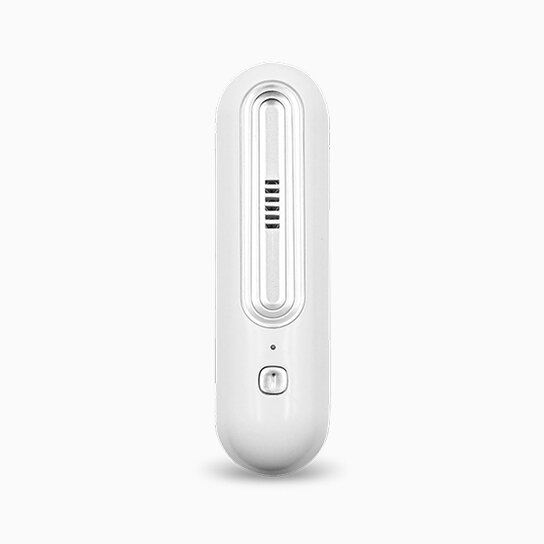
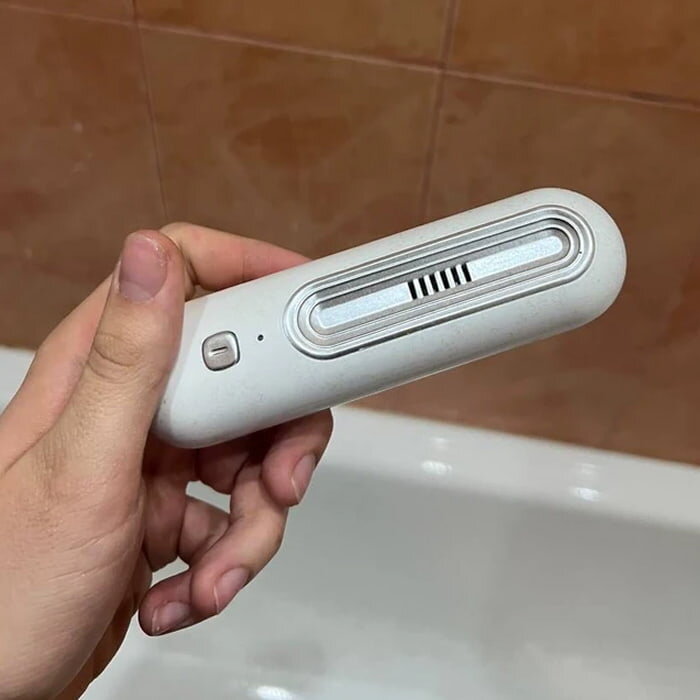
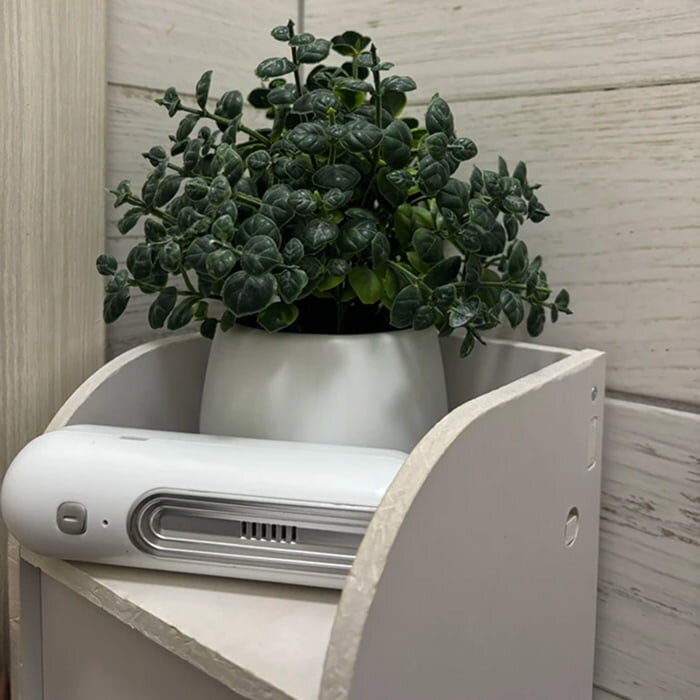
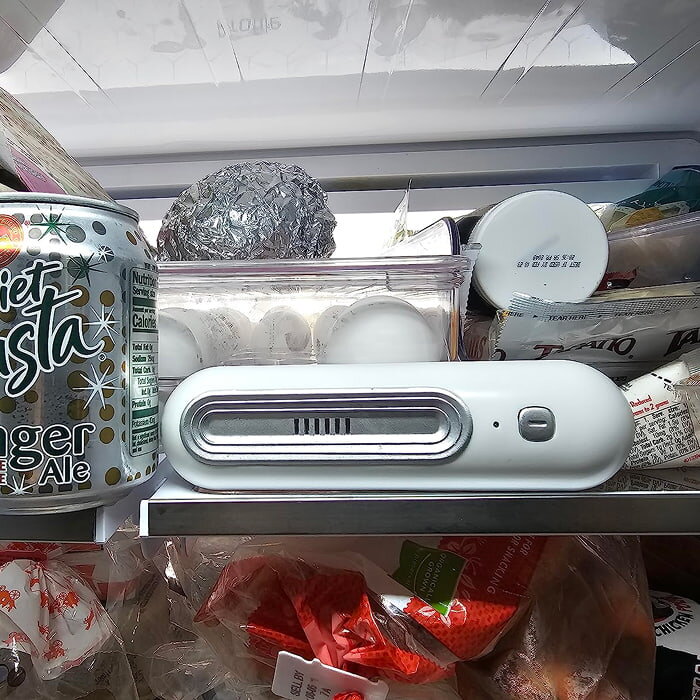
The Ozoori Fridge Deodorizer is a rechargeable alternative. It is a small cordless unit that sits on a shelf or in a door compartment, costs $49, and has two settings: Everyday Mode for ongoing use and Boost Mode for spills or strong smells. The maker states up to 4 weeks per charge through USB-C, though real-world timing varies, and the details are in the piece on fridge deodorizer battery life. It has no filters or replacement parts, and the seller states a 30-day money-back guarantee.
The trade-offs are plain. It costs more than a box of baking soda and needs recharging about monthly. The freshness claims come from the maker, and I cannot measure them in my kitchen. Independent Trustpilot feedback, a 3.7 out of 5 from 140 reviews, mostly praises the buying experience, with little third-party testing of odor results. If you want a set-and-forget upgrade after a proper deep cleaning and accept those limits, it is a reasonable convenience purchase. If you only need a cheap absorber, baking soda does that job.
Frequently Asked Questions
Why does my fridge still smell even when it is empty?
An empty fridge can still smell because odors soak into plastic liners, door gaskets, drip trays and drain channels. Residue from old spills or mold in hard-to-reach spots keeps releasing scent. Wiping the shelves alone misses these areas, so the smell returns once the door is closed and the air warms.
How long does it take to get rid of a persistent fridge smell?
Most persistent smells need one thorough session rather than weeks of effort. Empty the fridge, wash every removable part, clean the gaskets and drain, then let it air out with the door open for several hours. If the smell remains after a day, a hidden source such as forgotten food or mold is likely.
Will a fridge deodorizer stop the smell from coming back?
A deodorizer can help manage lingering odors, but it will not fix a source that is still in the fridge, like spoiled food or mold in a gasket. Clean and find the cause first. Use a deodorizer or baking soda afterward as upkeep, and keep expectations modest, since results are hard to measure at home.
This page contains affiliate links. We may earn a commission at no extra cost to you.