This page contains affiliate links. We may earn a commission at no extra cost to you. Read our disclosure.
A weekly fridge cleaning routine of about 15 minutes catches spoiled food and sticky spills before they turn into the smell you notice every time you open the door. Here is how to run it, what to wash monthly, and what to do between cleans.
Key Takeaways:
- A weekly reset takes about 15 minutes, split into small jobs: roughly 5 minutes for the leftover check, 5 for wiping, and 5 for restocking and organizing.
- Shelves and crisper drawers need a full wash about once a month, and the drain hole needs a quick look at the same time.
- Most fridge odor traces back to forgotten food and unwiped spills, so habit does more than any gadget. A deodorizer or baking soda only manages what is left.
How Often Should You Clean Your Fridge?
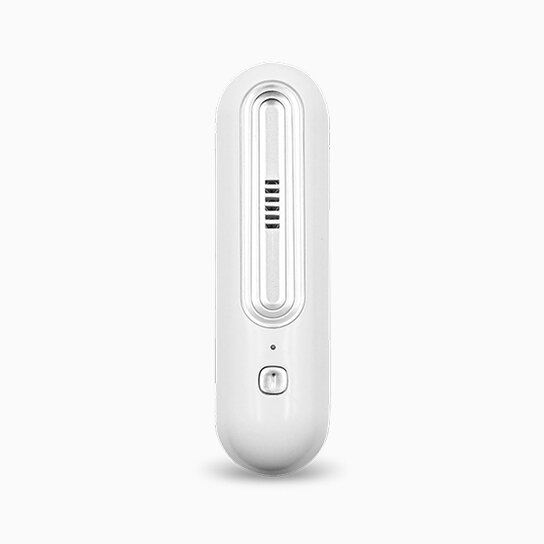
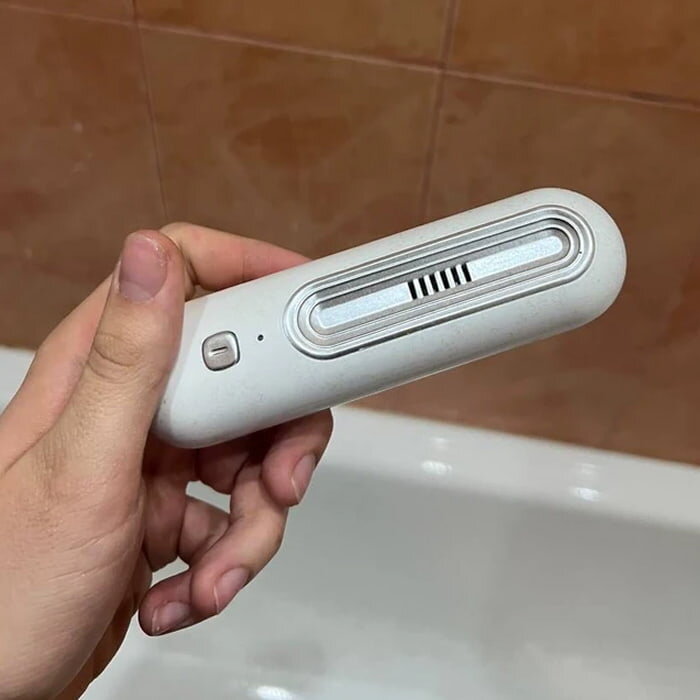
A fridge needs a quick pass every week, a fuller wash every month, and a wipe the moment something spills. A common assumption is that a fridge only needs cleaning once it smells. The reality is that fridge odor builds slowly from small things left too long, so by the time you notice it, the source has usually been sitting there for days. Short, frequent passes beat one big scrub because they remove the cause while it is still small. If you are weighing up the Ozoori Fridge Deodorizer, read the verdict first.
The time estimates below come from my own kitchen routine, not from measured studies.
| Cadence | What you do | Time budget (my estimate) |
|---|---|---|
| Every week | Leftover check, spoiled food removal, spill wipe | About 15 minutes |
| Every month | Shelf and crisper drawer wash, drain hole check | About 30 to 40 minutes |
| As needed | Wipe spills and leaks the moment they happen | About 1 minute |
That table is the whole system. It fits inside a busy week because the weekly job is small and the monthly job can be split into sections.
What Does a 15-Minute Weekly Fridge Cleanout Look Like?
A weekly cleanout removes spoiled food before it spreads fridge odor to everything around it. Run it right before the grocery trip, when the shelves are emptiest and you know what needs replacing. The first week feels slow. Later weeks go quickly because there is less to find.
Here is the routine, with a suggested time split (a guide, not a benchmark):
- Check the leftovers (3 minutes). Pull every leftover container and toss anything past its safe window or with an off look or smell. For how long specific foods keep, follow the food packaging and official food-safety guidance.
- Scan the door bins and back shelves (2 minutes). Forgotten jars, sauces, and half-used condiments hide here. What can go wrong: a sticky jar lid that left a ring on the shelf, so check underneath as you lift each one.
- Wipe spills and sticky rings (4 minutes). Use a damp cloth with a little dish soap as you go, then wipe again with plain water.
- Move leftovers into labeled airtight containers (3 minutes). Sealed food storage keeps strong smells contained and makes the next weekly check faster.
- Restock with older items in front (3 minutes). Good fridge organization means you see what needs eating first, which cuts down on food that gets pushed to the back and forgotten.
Success looks like a fridge where you can name every container on the shelf.
How Do You Clean Fridge Shelves and Drawers?
A monthly shelf wash cleans the shelves and crisper drawers where residue feeds fridge odor. This is the deep cleaning step, and it goes faster than most people expect when you work one section at a time so food is out of the cold only briefly. Plan on roughly 30 to 40 minutes, including the drain hole check. That is my own estimate from doing it monthly.
- Empty one shelf or section. Set the food in a cooler bag or on the counter for a few minutes while you work.
- Let glass shelves and drawers warm slightly before washing. Cold glass can crack under hot water, so give it a few minutes at room temperature first.
- Wash with warm, soapy water. Mild dish soap handles most jobs. For stuck-on residue, a baking soda and water paste scrubs gently without a strong scent.
- Rinse well and dry fully. Scented cleaners can leave their own smell that food then absorbs, so rinse until the soap smell is gone.
- Wipe the walls and door gasket with plain warm water, then replace the shelf. Move on to the next section.
- Check the drain hole. Find the small drain at the back of the compartment (your manual shows where) and clear any gunk with a cotton swab or soft tool. A clogged drain can leave water pooling and smelling.
Give the crisper drawers extra time. Produce leaks and wilted leaves collect there, and a slimy leaf under the drawer liner can sour the whole fridge. Success looks like dry, odorless shelves and a drain that is clear.
Which Cleaners Are Safe to Use Inside a Fridge?
Mild cleaners clean fridge surfaces without leaving a smell on stored food. Keep it simple, and check your fridge manual for any surface the maker says to avoid. None of these options sanitizes or kills germs, so treat them as cleaning, not disinfecting.
| Cleaner | Best use | Watch-outs |
|---|---|---|
| Warm water with dish soap | Everyday shelf and drawer wash | Rinse well so no soap smell remains |
| Baking soda paste | Stuck-on spots and light scrubbing | Rinse and dry fully; avoid hard scrubbing on delicate surfaces |
| Diluted white vinegar | Some people use it for wipe-downs | Sharp smell needs airing out; confirm your manual allows it on your surfaces |
| Scented or bleach-heavy sprays | Skip inside the fridge | Fumes linger and food can absorb them |
If your manual says to avoid a cleaner on a certain surface, follow the manual over any general advice.
How Do You Keep the Fridge From Getting Dirty Again?
Small daily habits reduce the buildup that weekly fridge cleaning has to remove. They take seconds each and keep the 15-minute reset from turning into a 30-minute rescue.
- Wipe spills the moment they happen. A fresh spill takes about 1 minute, while a dried, sticky one can take several minutes of soaking and scrubbing (a practical observation from home use, not a measured figure).
- Keep strong-smelling foods in airtight containers. Cut onions, leftover curry, and fish are the usual offenders.
- Give leftovers one designated shelf. Nothing hides at the back when there is only one place to look.
- Label what was opened and when. A strip of tape and a marker is enough, and it makes the weekly leftover check a quick scan.
- Keep raw meat on a tray on the lowest shelf. Drips stay contained instead of spreading to produce and shelves.
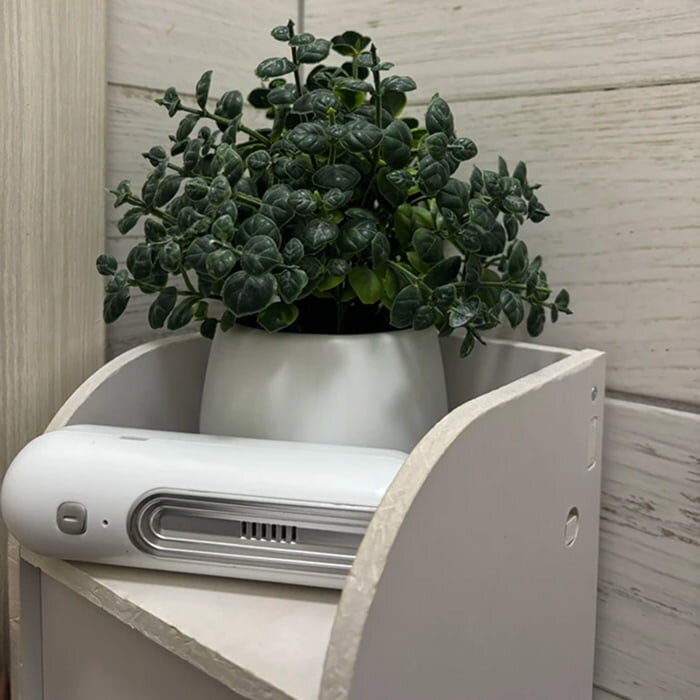
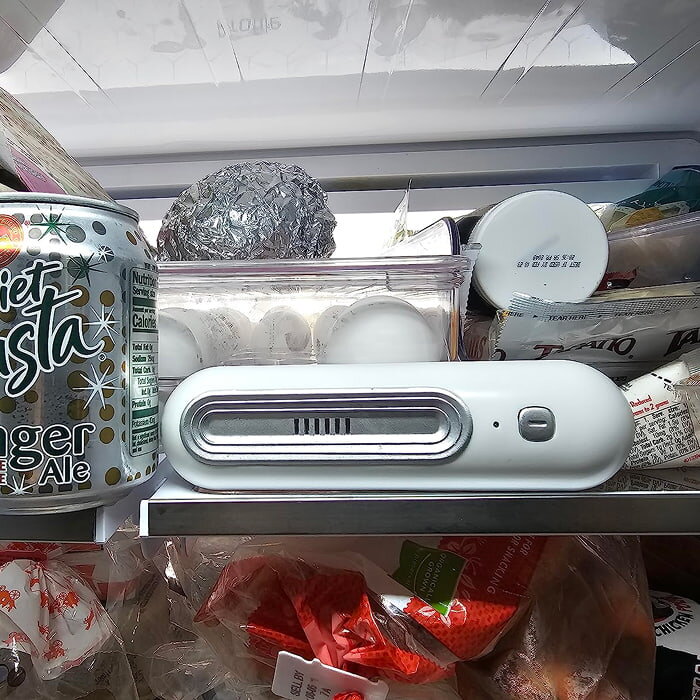
Even with good habits, some households still fight a lingering smell. That is where a box of baking soda or a rechargeable deodorizer might help. The Ozoori Fridge Deodorizer costs $49, and the maker states up to 4 weeks per charge. I can’t measure its freshness claims at home. Independent feedback on Trustpilot gives it 3.7 out of 5 from 140 reviews, and those reviews mostly describe the ordering experience rather than odor results. A baking soda box costs far less. The Ozoori reviews article covers the device in full, but the habit comes first, and a device only manages what is left. If you want to plan ahead for a bigger smell problem, it helps to know what happens when fridge smells after power outage.
Frequently Asked Questions
Is it worth emptying the whole fridge for the monthly wash, or can I clean one shelf at a time?
Cleaning one shelf or section at a time works well for busy households, because food stays out of the cold for only a few minutes. Take a section’s items out, wash and dry the shelf, return the food, and move to the next. Spreading the monthly wash across a few short sessions gives the same result as one long scrub.
What should I do if there is standing water at the back of the fridge?
Standing water usually points to a blocked drain hole at the back of the fridge compartment. Clear it gently with a cotton swab or soft tool, then wipe the area dry. If water keeps pooling after the drain is clear, check the fridge manual or contact the manufacturer, since the cause may be a fault rather than a simple clog.
Can a good cleaning routine replace a box of baking soda or a deodorizer?
For many households, regular cleaning and covered leftovers remove the main sources of odor, so a baking soda box or a deodorizer becomes a small extra rather than the fix. If a smell lingers even after the source is gone, an absorber can help manage what is left. A cleaning routine addresses the cause, while an absorber or device only handles the air.