This page contains affiliate links. We may earn a commission at no extra cost to you. Read our disclosure.
Ethylene gas from one bag of ripe bananas can speed up spoilage in the greens sitting next to them, and most fridges are packed so tightly that the two end up neighbors. Here is how produce spoilage from ethylene works and what to do about it.
Key Takeaways:
- 6 common fruits (apples, bananas, avocados, pears, peaches, ripe tomatoes) release ethylene gas, a ripening hormone that speeds up decay in sensitive produce stored nearby.
- 3 fixes do most of the work: separate producers from sensitive items, match each crisper drawer to the right humidity, and give produce room for fridge airflow.
- Ethylene explains premature yellowing, softening and sprouting, but not fridge odor or bacterial growth, so no single gadget solves both problems.
Quick Answer: 6 Ethylene-Producing Fruits and What to Do With Them
- Apples: Heavy producers, so give them their own drawer or bag.
- Bananas: Ripen them on the counter, away from greens.
- Avocados: Ripen on the counter, then refrigerate once ready.
- Pears: Keep them apart from carrots, potatoes and leafy greens.
- Peaches: Ripen on the counter, then move them to the fridge.
- Ripe tomatoes: Store them away from sensitive vegetables once they soften.
The rest of the fix is simple. Separate producers from sensitive items, set your drawers to the right humidity, and leave gaps for air. If you are weighing up the Ozoori Fridge Deodorizer, read the verdict first.
If a smell is what bugs you, that is a different problem. Our guide on why does my fridge smell covers the causes, and the full ozoori reviews piece looks at whether a rechargeable gadget is worth buying for it.
What Is Ethylene Gas, and Why Is It in Your Fridge?
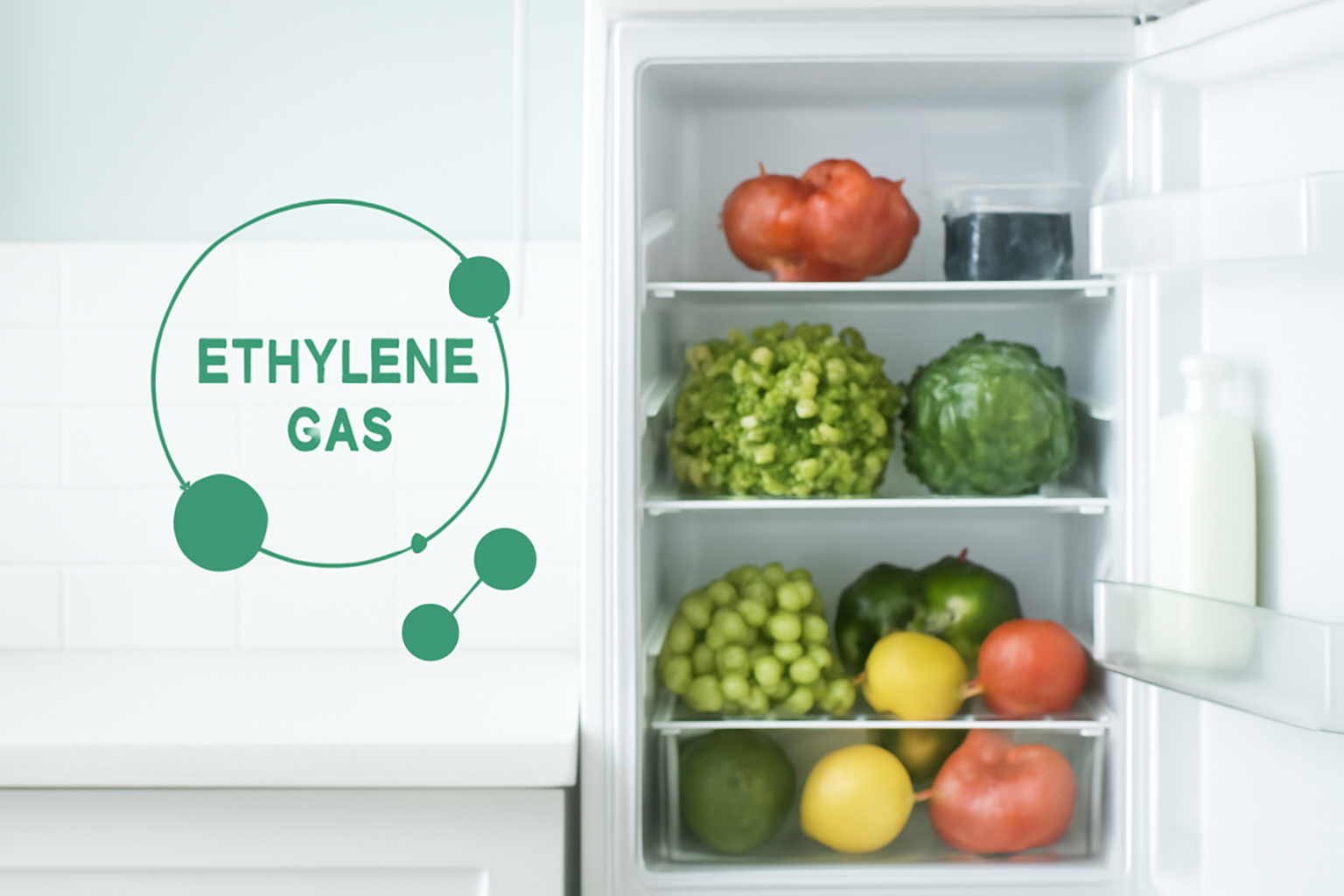
Ethylene is a natural gas that fruit releases as it ripens, and it acts as a signal to the fruit itself and to the produce around it. This means ripening spreads from one item to its neighbors. Think of one ripe fruit as the loudest voice in a crowded room, telling everyone else to hurry up.
In practice, a closed fridge keeps that gas close to everything inside. Ethylene triggers ripening and aging in nearby produce, so a sensitive head of lettuce sitting beside ripe pears gets the message too.
The gas has no smell. That is why you cannot detect it the way you notice spoiled food, and why it has nothing to do with the odor you smell when you open the door. It is also normal, not a sign of a dirty fridge. Every fridge with fruit in it has some.
Which 6 Fruits Produce the Most Ethylene?
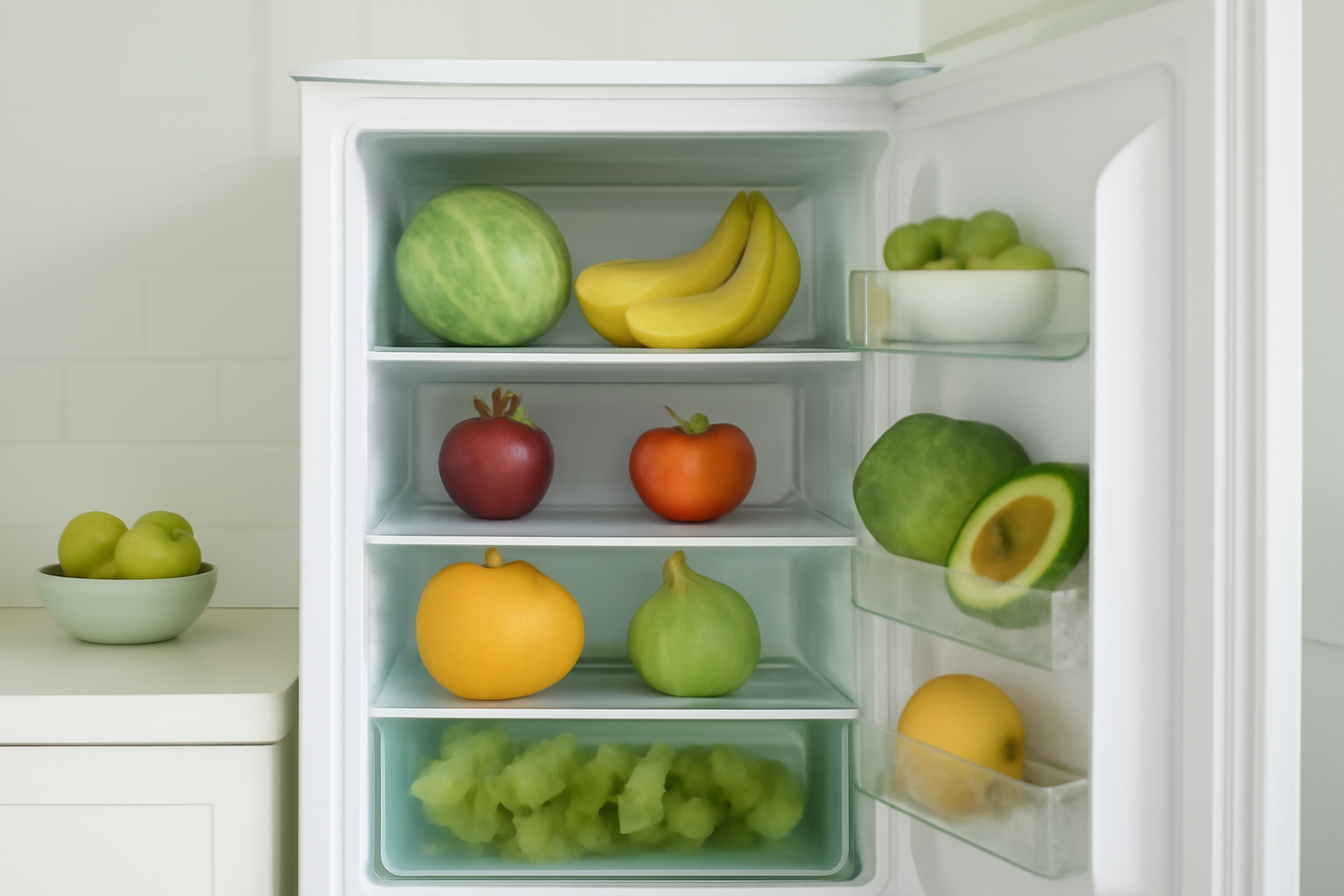
A common assumption is that only overripe fruit matters. The reality is that fruit releases ethylene as it ripens, so the ripening stage matters more than how old the bag looks. Apples, bananas and avocados release ethylene that ripens neighboring groceries, and the other three fruits on this list do the same. Exact amounts vary by fruit, ripeness and variety, so no ranking here is precise.
- Apples. Apples are heavy producers, so keep them in their own drawer or bag, away from carrots and greens.
- Bananas. Bananas ripen fastest at room temperature, and they should not share a bag with greens.
- Avocados. Ripen them on the counter, then move them to the fridge once they are ready.
- Pears. Pears give off the gas as they soften, so store them apart from anything leafy.
- Peaches. Let them ripen on the counter, then refrigerate so they stop speeding up their neighbors.
- Ripe tomatoes. Once tomatoes soften, give them space instead of packing them beside cucumbers or herbs.
Good food storage here mostly means distance. A fridge with decent airflow around these six does less damage than a crammed one.
How Does Ethylene Gas Make Vegetables and Other Produce Spoil Faster?
Ethylene-sensitive produce yellows, softens or sprouts when it sits beside ethylene producers, because the gas tells it to age early. That is the whole mechanism. Each item below shows a visible symptom, and a safer storage move for each.
| Ethylene-sensitive item | What exposure looks like | Safer storage move |
|---|---|---|
| Leafy greens | Yellowing leaves | Keep in a separate high-humidity drawer |
| Broccoli | Yellowing florets | Store away from apples and pears |
| Cucumbers | Soft, yellowing skin | Keep in the high-humidity drawer, apart from fruit |
| Carrots | Bitter taste | Store apart from apples |
| Potatoes | Sprouting | Keep away from apples, in a cool, dark spot |
| Berries and herbs | Faster softening | Give them their own spot, away from ripe fruit |
Humidity matters too. Leafy greens and cucumbers generally keep better in a higher-humidity crisper drawer, while fruit generally keeps better in a lower-humidity one. So drawer settings and separation work together. This is general produce guidance, not a measured result from my own fridge.
How to Keep Produce Fresh Longer: 5 Steps That Cut Ethylene Exposure
Separating produce reduces ethylene exposure for sensitive groceries, and every step below takes under five minutes with no equipment. I can’t promise a number of extra days, because I haven’t measured that. These are common-sense habits that most home cooks can start today.
- Split producers from sensitive items. Put apples, pears and other producers in one drawer or bag, and keep greens, carrots and cucumbers in another.
- Set your drawers by humidity. Use one crisper drawer on higher humidity for greens and cucumbers, and one on lower humidity for fruit.
- Ripen on the counter first. Let avocados, bananas and peaches ripen at room temperature, then move them to the fridge only once ripe.
- Leave gaps for airflow. Space items so fridge airflow can move air around produce instead of trapping it.
- Check the drawers every few days. Pull out soft items first, since one rotting piece shortens the life of its neighbors.
Be clear on what this covers. Ethylene control slows ripening and yellowing. Bacterial growth and mold depend on moisture, temperature and contamination, and separating produce will not fix those. For a wider routine, our fridge cleaning routine guide picks up where this leaves off, and a quick read on what to store in fridge door helps free up drawer space for the separation above.
Can a Fridge Deodorizer Stop Ethylene, and What Does Ethylene Not Explain?
A rechargeable fridge deodorizer targets fridge odor, not ethylene-driven ripening, and the two are different jobs. Ethylene is odorless and speeds ripening. Fridge odor comes from spoiled food, spills and bacterial growth, which our guide to fridge odor causes covers in detail.
So what does ethylene explain? Early yellowing, softening and sprouting. It does not explain a sour smell, slime or mold. If you open the door to a stink, look for the leak, the forgotten leftovers or the garlic and onions first (our piece on a fridge that smells like garlic onions covers that case).
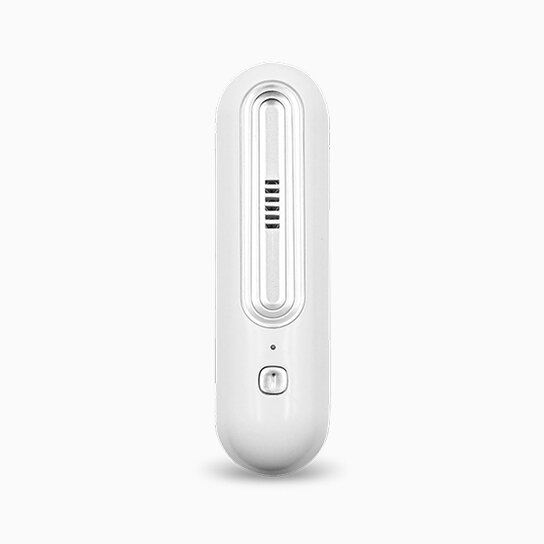
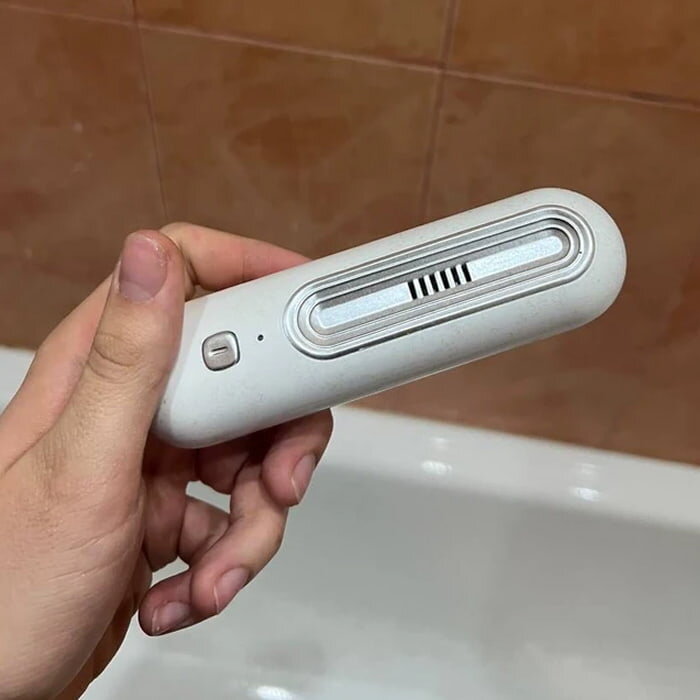
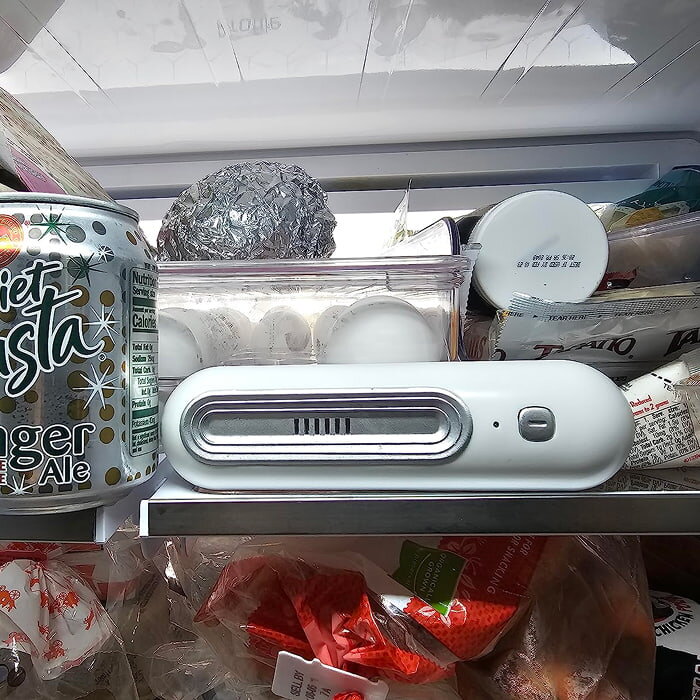
The Ozoori Fridge Deodorizer costs $49 and is sold by its maker as an odor product. The maker does not claim it removes ethylene from produce, and I have no way to measure ethylene in a home fridge. Nothing here measures ethylene removal by any gadget.
If you want less produce spoilage, separation and storage habits do that job for free. If lingering smell is your main problem, a deodorizer is a separate decision, with the trade-off being the upfront cost and recharging. Passive options like baking soda or activated charcoal for fridge odor cost less, and the question of whether fridge deodorizers are safe around food is worth reading before you buy anything.
In short, treat the two problems separately. Fix ethylene with distance and drawers, and fix smell by finding its source first.
Frequently Asked Questions
Should I store apples in the fridge or on the counter?
Apples keep longer in the fridge, ideally in their own drawer or bag, because they release ethylene and can speed up ripening in nearby produce. On the counter they ripen faster and affect anything sitting beside them. If you only have one drawer, keep them away from leafy greens and carrots.
Does putting fruit in a paper bag help it ripen faster?
Yes, a closed paper bag traps the ethylene the fruit gives off, which speeds ripening for hard avocados, peaches and pears. Adding a banana to the bag speeds it up further. Check the bag daily, since the fruit can go from ripe to overripe quickly.
Is ethylene gas harmful to people?
Ethylene from ripening fruit is a natural plant hormone and is not a concern for people at the levels found in a home fridge. Its effect is on the produce itself, causing earlier softening, yellowing or sprouting. Food that has gone soft or moldy should still be thrown out based on how it looks and smells.