This page contains affiliate links. We may earn a commission at no extra cost to you. Read our disclosure.
A bad smell in the fridge usually traces back to one fixable source hiding in a spot most parents never check. Knowing why your fridge smells beats masking it with a box of baking soda. Here is where to look first.
Key Takeaways:
- Seven root causes explain most fridge smells, and six of them are hidden or easy to overlook: forgotten leftovers, spills in the crisper drawers, a blocked drain hole, gasket residue, uncovered strong foods and a warm temperature setting. The seventh, a build-up of ethylene-releasing produce, is covered below.
- Cleaning the shelves is not enough when the source sits in the drain hole, under the door gasket or behind a drawer, which is why a smell can return within days.
- A deodorizer, rechargeable or passive, only manages airborne odor, so none of the seven causes is solved by buying one. The source has to go first.
Quick Answer: 7 Fridge Smell Causes and What to Check
- Forgotten leftovers: Check the back shelves and any opaque containers for food past its time.
- Spills in the crisper drawers: Pull the drawers out and look for juice or meat drip on the rails.
- Blocked drain hole: Look at the back wall for pooled water and a musty film.
- Gasket residue: Run a finger through the door seal folds for sticky buildup.
- Uncovered strong foods: Cover onions, cut garlic, fish and sharp cheeses so they stop flavoring everything else.
- Warm temperature setting: Confirm the fridge sits at or below 40°F (4°C).
- Crowded shelves and ripening produce: Leave room for air to move and keep ethylene-heavy fruit away from other produce.
What Causes Fridge Odor in the First Place?

Fridge odor is the smell released when food, moisture or residue breaks down or gives off compounds inside a closed, cool space. This means a fridge smell always has a physical source, even when you cannot see it. If you are weighing up the Ozoori Fridge Deodorizer, read the verdict first.
Think of a lunchbox left in a school bag over a long weekend. The lid keeps everything in, so the smell has nowhere to go. A fridge works the same way. It has little airflow, every door opening mixes the odors together, and porous foods like butter and milk soak up whatever sits near them. Bacterial growth on spoiled food then adds sour and musty notes to the mix.
A sour or tangy smell most often points to spoiled dairy, fermenting leftovers or a liquid spill that has soured. The seven causes below run from the most common to the easiest to miss, so you can work through them in order.
Which 7 Causes Do Parents Miss Most Often?
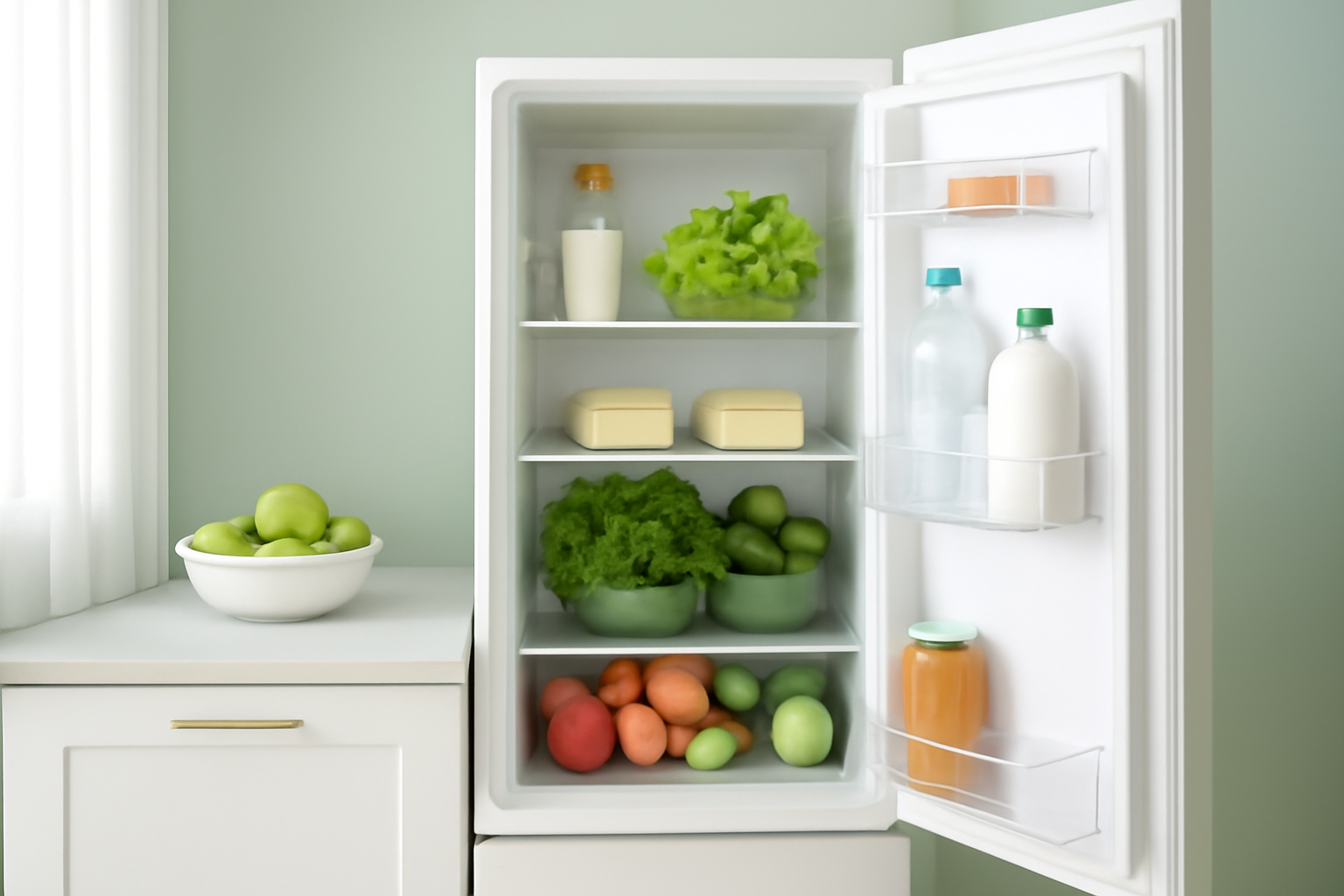
Forgotten leftovers and hidden spills cause a recurring smell that wiping the shelves does not fix. Parents tend to wipe what they can see, and these sources sit out of sight. Work down this list:
- Forgotten leftovers. Look at the back of the shelves and inside opaque containers. A half-eaten lunchbox meal or an old pasta tub gives off a sour smell once bacterial growth takes hold.
- Spilled liquids in the crisper drawers. Juice, meat drip or a leaky snack pouch can seep under the drawer rail, where it ferments out of sight. Expect a sweet-sour smell that gets stronger when you open the drawer.
- A blocked drain hole. Find the small hole on the back wall. When it clogs, water pools and grows a musty film.
- Door gasket residue. Sticky spills collect in the folds of the rubber seal and dry into a stale layer. Check the bottom edge of the door first.
- Strong-smelling foods stored uncovered. Onions, cut garlic, fish and some cheeses share their smell with milk and butter. Half-used baby food jars with loose lids count here too.
- A warm temperature setting. Food spoils faster and bacterial growth speeds up when the fridge runs warm. Food safety guidance generally recommends keeping a fridge at or below 40°F (4°C), and that is a general guideline, not a measurement of your fridge.
- Crowded shelves and ripening produce. Overstuffed shelves block fridge airflow, and ripening fruit gives off ethylene gas that speeds up spoilage nearby. Our guide on ethylene gas produce spoilage covers this in more depth.
Why Does My Fridge Still Smell After Cleaning?
A common assumption is that wiping the shelves removes the source. The reality is that the source often sits somewhere shelf-wiping never reaches. A blocked drain hole or gasket residue keeps releasing odor after the shelves have been wiped clean.
Three hiding places cause most of the trouble: the drain hole and its trough, the folds of the door gasket, and the area under and behind the crisper drawers. Each one holds moisture or sticky residue that feeds bacterial growth, so the smell returns within days.
Strongly scented sprays can make things worse. Once the perfume fades, the fridge smells stale again, sometimes with a chemical note on top. A smell that survives a thorough clean can also mean something is spoiling in a spot you have not checked yet, such as the back of the freezer or the butter compartment. This section is about finding the cause, so use a separate fridge cleaning routine once you know where the problem sits.
What Should You Check First? A Smell-to-Cause Table
The type of smell points to the most likely hiding spot. Match what you notice to the table, then check that area first.
| Smell description | Most likely cause | Where to look first |
|---|---|---|
| Sour or tangy | Soured dairy or fermenting leftovers | Back shelves and sealed containers |
| Musty or damp | Blocked drain hole with standing water | Back wall trough |
| Stale sweet-sour | Dried spills in gasket folds or under drawers | Door seal and drawer rails |
| Sharp onion or fish smell on other foods | Uncovered strong-smelling foods | Open containers and loose lids |
| General stuffiness with quick spoilage | Warm setting or blocked airflow | Temperature dial and shelf spacing |
These are practical starting points from common household experience, not lab diagnostics.
Can a Rechargeable Fridge Deodorizer Fix These Causes?
A rechargeable fridge deodorizer manages airborne odor but not its source. I’ll say it plainly as a mom who tests these gadgets: no deodorizer fixes any of the seven causes. Spoiled food, a clogged drain and a sticky gasket still need to be dealt with by hand.
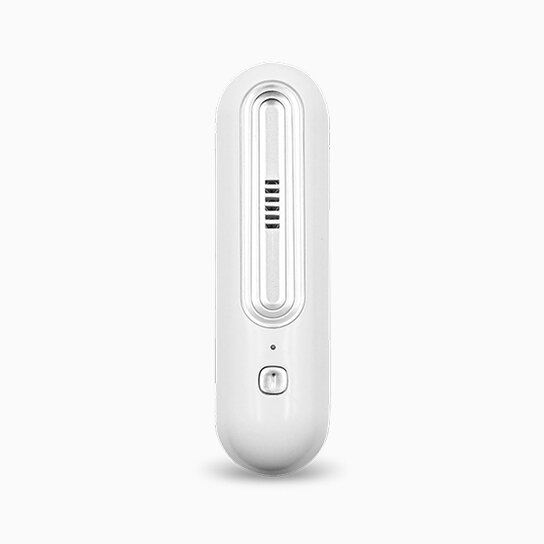
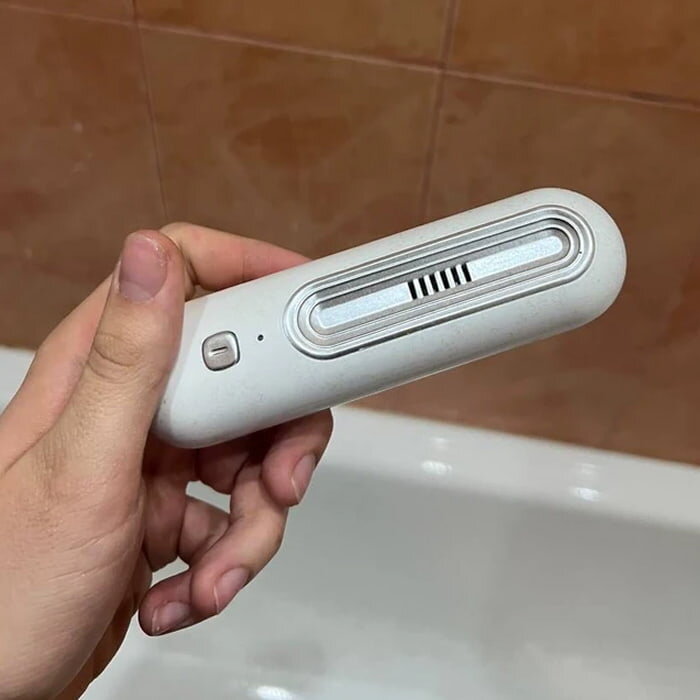
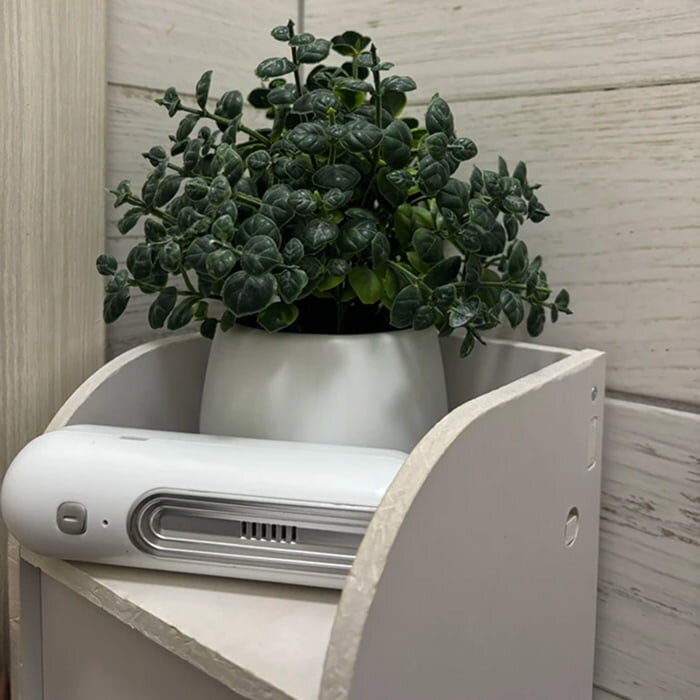
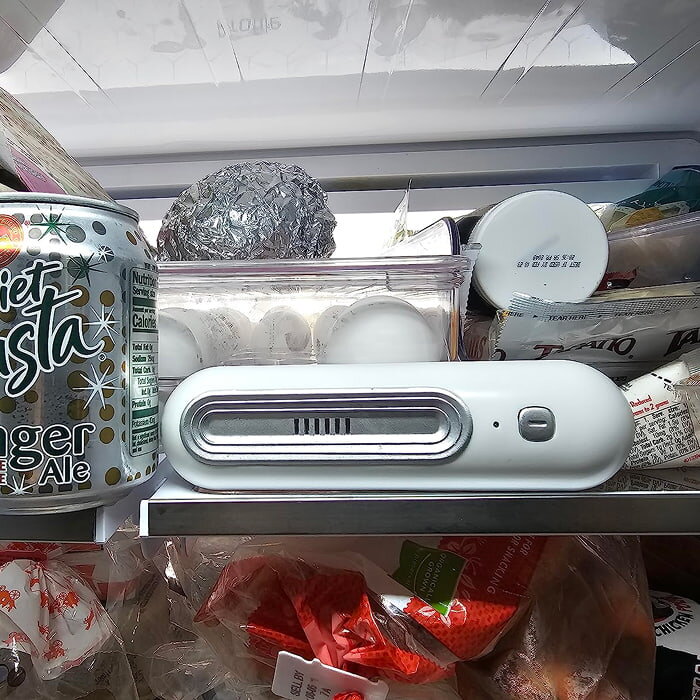
Where a device might fit is after the source is gone, for the faint everyday smells of a fridge that gets opened all day. The Ozoori Fridge Deodorizer is one example of the rechargeable type. It is a small cordless unit with an Everyday Mode and a Boost Mode, USB-C charging and no filters, per the maker, who states up to 4 weeks per charge.
Here is the honest part. The freshness claims come from the maker, and I cannot measure them in a home fridge. Independent Trustpilot feedback sits at 3.7 out of 5 from 140 reviews as of Oct 2026, and most of it praises the ordering experience rather than showing odor results. Against a baking soda box, you trade a higher upfront cost and periodic recharging for no monthly box to replace. Our Ozoori reviews article has the full verdict.
How Do You Stop Fridge Odor From Coming Back?
A weekly source check prevents recurring fridge odor and food waste. Keep it short enough that you will do it:
- Pick one day a week, such as before the grocery run, and pull out anything forgotten (cause 1).
- Cover or seal strong-smelling foods before they flavor the dairy (cause 5).
- Check the thermometer or temperature dial to confirm 40°F (4°C) or colder (cause 6).
- Leave a little space between items so air can move around them (cause 7).
- Peek at the drain hole and gasket whenever you wipe a spill (causes 3 and 4).
The seven causes share one pattern. Each one is a source, and sources beat scents every time. Find the smell type in the table, fix the spot it points to, and a deodorizer becomes an optional extra rather than a rescue.
Frequently Asked Questions
Is a sour smell in the refrigerator a sign that food has gone bad?
A sour smell often points to spoiled dairy, fermenting leftovers or a soured spill, so check dates and sealed containers first. Sometimes the source is residue in the gasket folds or under a drawer rather than food on the shelf. If you cannot find an obvious source, empty one shelf at a time until the smell fades.
Can a warm fridge temperature cause bad smells?
Yes. A fridge running warmer than the commonly recommended 40°F (4°C) lets food spoil faster, and spoilage is a main source of odor. A cheap fridge thermometer on a middle shelf shows the real temperature, so you do not have to trust the dial.
Does keeping fruit and vegetables together make a fridge smell?
Ripening fruit gives off ethylene gas, which can make nearby produce spoil sooner, and spoiled produce is a common smell source. Keeping ethylene-heavy fruit away from leafy greens and giving drawers some airflow reduces the problem. Another guide in this series covers produce storage in more detail.