This page contains affiliate links. We may earn a commission at no extra cost to you. Read our disclosure.
Fridge smell removal starts with finding what is making the smell, because no deodorizer can outwork a forgotten container or a clogged drain hole. You will clean in order, then decide where baking soda, charcoal, or a rechargeable unit fits afterward.
Key Takeaways:
- Five spots cause most lingering fridge odors: spoiled food, spills in shelf seams, the drip pan, door gaskets, and the drain hole.
- A full deep clean takes five steps (empty, discard, wash, wipe, dry) and works best as a single sweep rather than a quick wipe-down.
- Deodorizers belong at step six: they hold a clean fridge fresh but cannot fix an odor source that is still inside.
If you have tried a box of baking soda and the smell came back, you are in good company. A passive absorber cannot fight a source that keeps feeding the smell. Our refrigerator deodorizer guide covers what each type does, and the Ozoori fridge deodorizer review looks at one rechargeable option. First, though, the cleanup.
What Causes Bad Smells in a Refrigerator?
A refrigerator odor source is anything that holds moisture or food residue long enough to break down. Five spots account for most recurring smells, and each one hides well. Spoiled food, spills in shelf seams, the drip pan, door gaskets, and a blocked drain hole all cause refrigerator odors that return after a surface wipe. It is one piece of ozoori fridge deodorizer review.
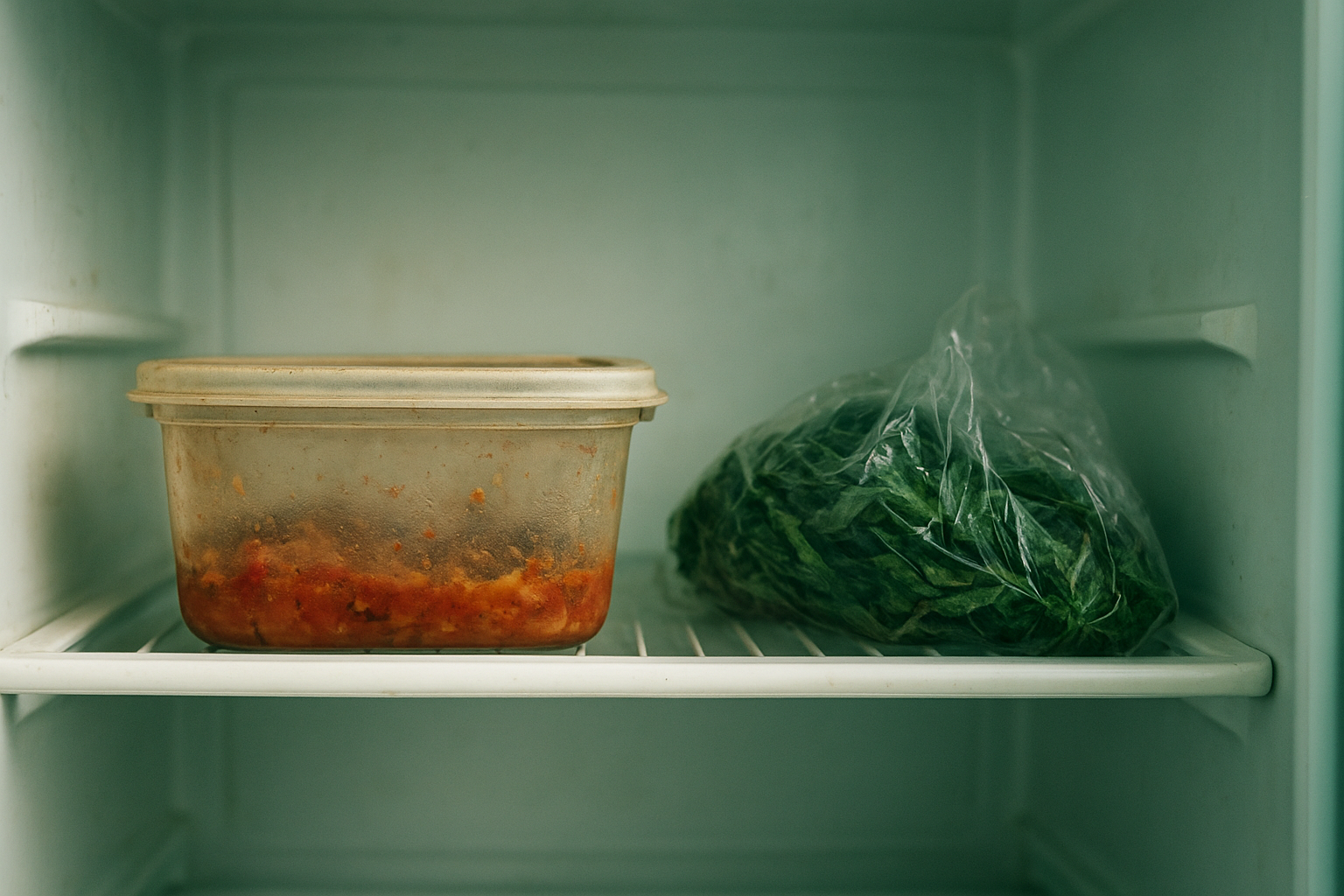
- Spoiled food. A forgotten container, a bag of wilted greens, or leftovers pushed to the back shelf will rot quietly. You often smell it before you can find it.
- Spills in shelf seams. Liquid runs past the shelf edge and settles under drawers and in the gaps between glass and trim. A wipe across the top never reaches it.
- The drip pan. Many fridges send defrost water to a pan behind or beneath the unit. Stagnant water there turns sour.
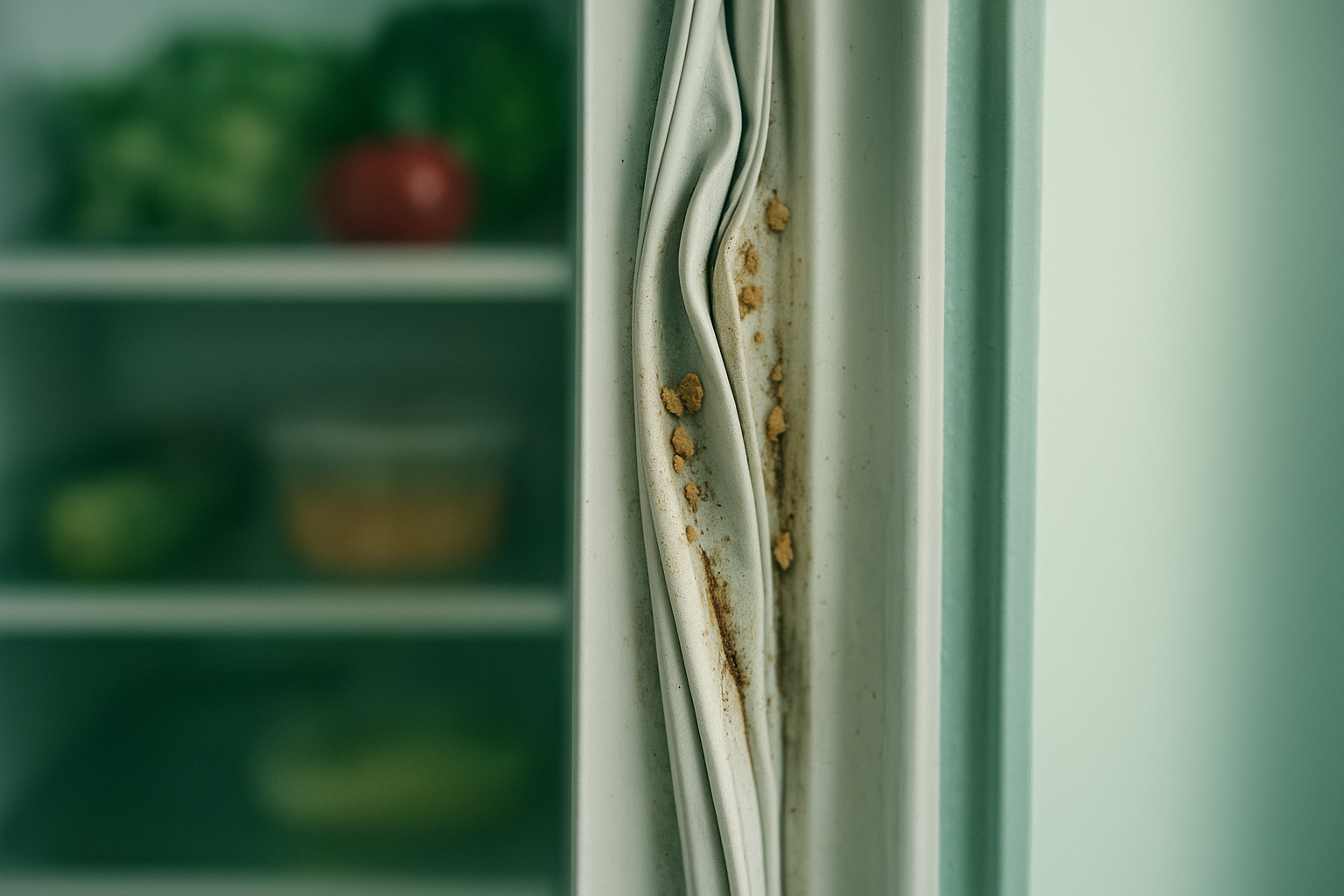
- Door gaskets. The rubber seal has folds that trap crumbs and drips. Residue sits in those folds and grows musty.
- The drain hole. A small hole in the back wall carries defrost water away. When it clogs, water pools at the back wall and starts to smell.
A common assumption is that one forgotten container is the whole problem. The reality is that a smell returning after you clean usually means a hidden source was missed. That is why the order of the cleanup matters more than the product you use. Actually, I cannot tell you which of these five causes smells most often, because no measured figure exists for it. Check all five.
How Do You Get Rid of Fridge Smell With a Deep Clean?
A deep clean is a full sequence that removes the odor source rather than covering it. Empty, discard, wash, wipe, and dry, in that order, and the smell has nothing left to cling to. Plan to work in one sweep, not a quick wipe-down, so set aside a stretch of time when you will not be interrupted. This is simpler than it looks, and it is the single most effective thing you can do.
- Empty the fridge. Take everything out and set perishables in a cooler or on the counter. Unplug the fridge if you need to reach the drip pan.
- Discard what is bad. Throw out anything expired, leaking, or unidentifiable. Check the back of each shelf, because that is where forgotten food hides.
- Wash the shelves and drawers. Pull them out and wash them by hand in warm water with mild dish soap. Rinse well so no film is left behind.
- Wipe the interior and clear the drain. Wipe the walls from top to bottom. Clear the drain hole with a cotton swab or pipe cleaner, then wash the drip pan.
- Wipe the gaskets and dry everything. Run a cloth along every fold in the door gaskets. Then dry all surfaces fully with a clean cloth before you restock.
The most common mistake is skipping the dry step. Leftover moisture feeds the next smell, so a fridge that looks clean but stays damp will turn on you within days. Another thing to watch: do not rush step four. The drain hole is easy to forget, and a clogged one will undo your work.
Success looks like a fridge with no smell at all once the doors have been closed for an hour. If a smell lingers, the next section explains why.
Which Cleaning Solutions Are Safe Inside a Refrigerator?
Three household solutions clean a refrigerator interior safely: diluted baking soda, mild dish soap in warm water, and diluted white vinegar. Each one has a job, and none leaves a harsh residue when rinsed. Think of them as a short toolkit. You reach for the one that fits the mess.
| Solution | Best for | Notes |
|---|---|---|
| Diluted baking soda | Interior walls and general odor | Gentle on surfaces. Wipe with a damp cloth afterward. |
| Mild dish soap in warm water | Greasy shelves, drawers, and gaskets | Rinse well so no soap film stays on food-contact surfaces. |
| Diluted white vinegar | Light mineral spots and mild odors | Keep it diluted and rinse, so the vinegar smell does not linger. |
Follow the product label or your fridge manual for dilution, since exact ratios vary and none are given here.
Know what to avoid. Strong or scented chemical cleaners and undiluted solutions leave residue and fumes that cling to food and plastic. Bleach-style and heavily perfumed products are the wrong tool for a food-storage space. If you can smell the cleaner after you finish, you used too much or did not rinse enough.
Why Does My Fridge Still Smell After Cleaning, and What About Fish?
A clean-looking fridge is not always an odor-free one. Hidden residue and porous plastic or gasket surfaces keep fish, onion, and garlic smells long after the visible source is gone. Residue in the drain hole, in gasket folds, or in drawer seams keeps feeding the smell, and strong foods soak into plastic over time.
Work through a second-pass checklist before you try anything else:
- Re-check the drain hole and the drip pan for buildup you missed.
- Wash the gaskets again, folding back each ridge.
- Leave the doors open for a while to air the fridge out.
Fish is the hardest offender. Remove the source first, then wash the affected shelves and drawers with dish soap. Wipe the surfaces with a diluted baking soda solution, then air the fridge out with the doors open. Onion and garlic follow the same routine. Going forward, store all three in sealed containers so they cannot scent the rest of the fridge.
Once the source is gone, a box of baking soda or a piece of activated charcoal can help hold the air neutral, but they will not rescue a fridge that still has a hidden source. If the smell persists after a second full pass, the source is probably somewhere you have not checked yet. Pull out the crisper drawers and look behind them. I have no test data on how long these smells linger, so treat any timeline you read online with caution.
Where Does a Deodorizer Fit After the Fridge Is Clean?
A refrigerator deodorizer is a maintenance step that comes after the odor source is gone, not a fix for one. Baking soda, activated charcoal, or a rechargeable fridge deodorizer can maintain freshness in an already-clean refrigerator. Think of it like a lint roller: it keeps a clean coat clean, but it will not wash a dirty one.
| Feature | Baking soda | Activated charcoal | Rechargeable unit |
|---|---|---|---|
| Cost | Low | Low | Higher upfront |
| Upkeep | Replace roughly monthly | Replace when spent | Recharge on a schedule |
| What you do | Open the box and set it on a shelf | Place the pouch or tray on a shelf | Place it, set a mode, and recharge it |
| Measurable at home | Hard to tell | Hard to tell | Hard to tell |
Baking soda and activated charcoal are passive and low-cost. I have no price figures to give you for either, so I will only call them low-cost. A rechargeable unit costs more and needs recharging, which is the trade-off to weigh.
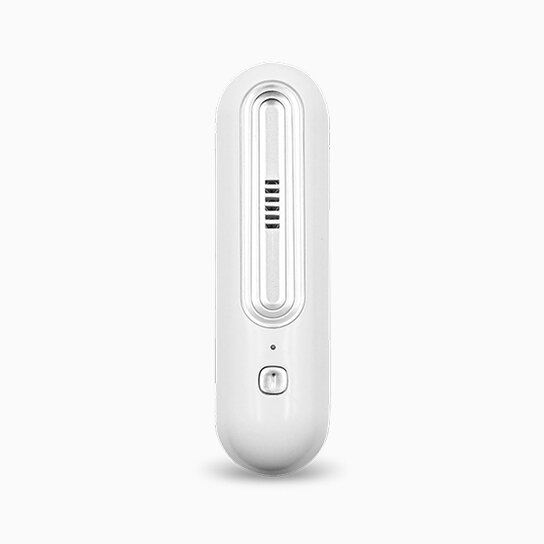
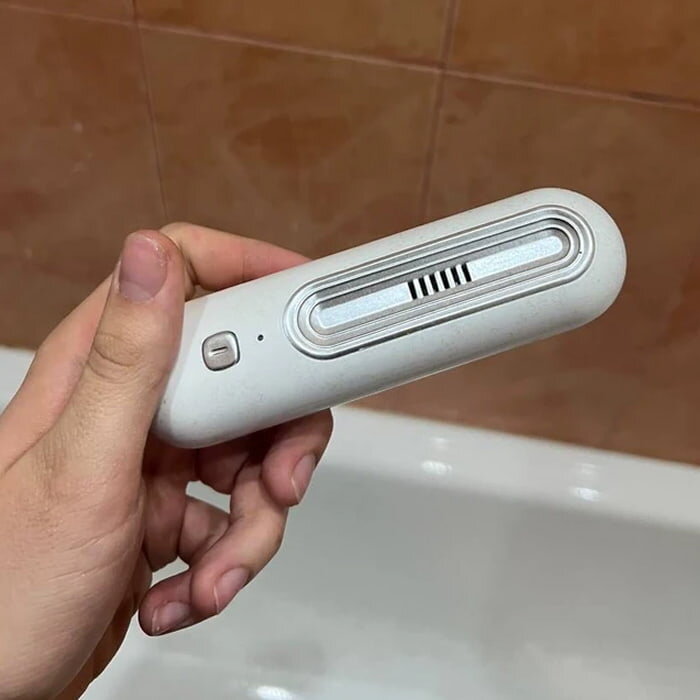
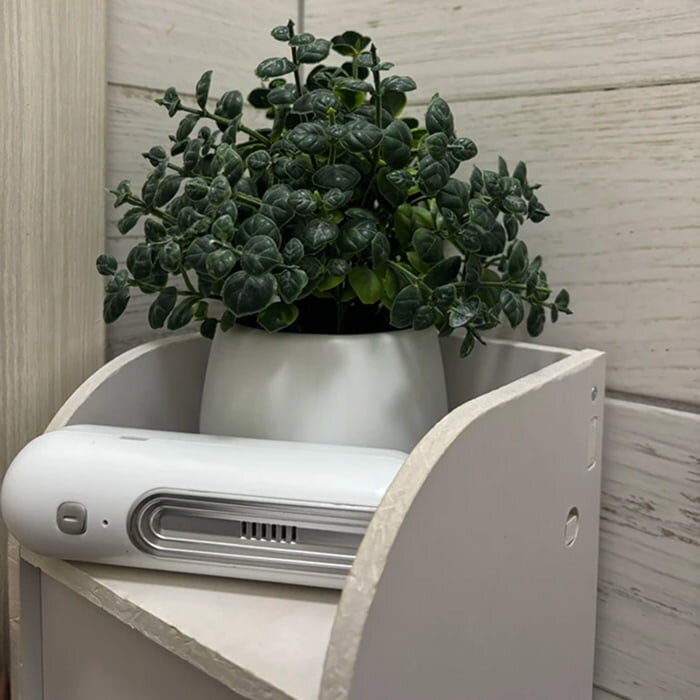
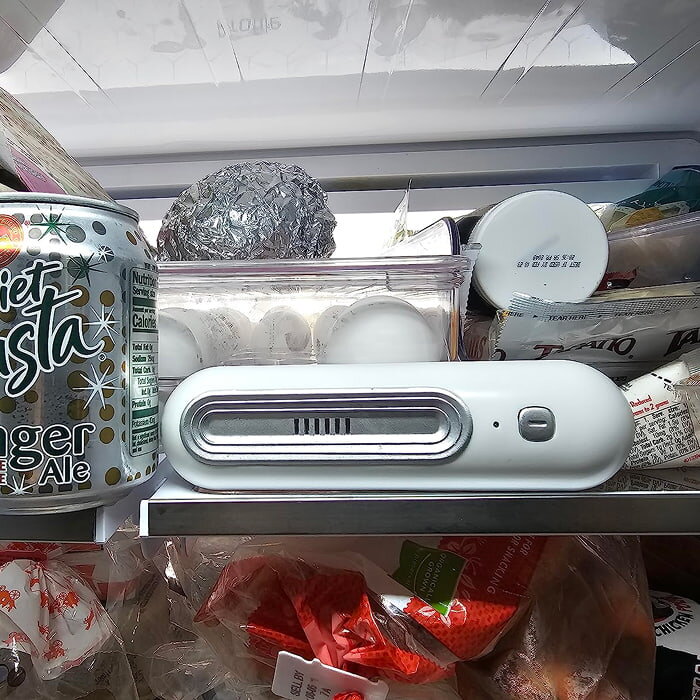
The Ozoori is one example of the rechargeable type. It costs $49 and charges over USB-C, with a maker-stated battery life of up to 4 weeks per charge. Its freshness claims are the maker’s own, and you cannot measure them at home. Independent Trustpilot feedback, 3.7 out of 5 from 140 reviews as of Oct 2026, mostly covers the buying experience rather than odor results. If you want to compare the two approaches in depth, read our guide to rechargeable vs passive deodorizers and the full Ozoori review.
This page contains affiliate links. We may earn a commission at no extra cost to you.
How Do You Keep Fridge Odors From Coming Back?
Three small habits stop the next odor source before it starts. Airtight storage, a weekly leftover check, and immediate spill cleanup prevent the next refrigerator odor source from forming. These take far less effort than another deep clean.
- Use airtight containers. Sealed containers keep strong foods from scenting everything else. They also stop leaks from reaching shelf seams.
- Check leftovers weekly. Tie the check to a fixed day, such as before the grocery run, so food gets used or tossed before it spoils.
- Clean spills right away. A quick wipe keeps liquid from reaching the seams, the drip pan, and the drain hole.
These habits map straight back to the five sources from the start: spoiled food, shelf seams, the drip pan, gaskets, and the drain hole. Stop the leaks and the forgotten food, and most of those five never get a chance to start.
Frequently Asked Questions
How long should baking soda sit in a fridge to absorb odors?
An open box of baking soda works best for about 30 days. After that, its capacity to absorb smells drops, so replace it monthly. Place it on a shelf away from the cooling vent, and swap it sooner if a strong smell, like spilled fish, has been in the fridge.
Can a fridge smell come from the drip pan or drain hole?
Yes. Many fridges send defrost water to a drain hole or a pan under the unit, and stagnant water or food residue there can smell sour. Clear the drain hole with warm water and a soft brush, wash the pan with mild dish soap, and check your manual for its location.
Do fridge deodorizers work, and are they worth buying after a deep clean?
Results vary, and most claims come from the makers, not independent tests. A deodorizer is a maintenance tool, not a cleaning substitute. Cleaning removes the source first. After that, a device or a baking soda box may help with faint, recurring smells, depending on your budget.