This page contains affiliate links. We may earn a commission at no extra cost to you. Read our disclosure.
A fridge that smells after a power outage is telling you the food inside may have crossed a safety line. Decide what to keep first, then clean the smell away. Cleaning first is the mistake that costs families the most food and the most worry.
Key Takeaways:
- A closed fridge keeps food safe for about 4 hours without power, and food held above 40°F for more than 2 hours total goes in the trash.
- Triage takes 3 steps in a fixed order: check temperature and time, sort food into keep or discard, then clean. Cleaning first risks tossing food you could have saved or keeping food you should not.
- Lingering rot odor in crisper drawers, door gaskets and drain areas usually needs 2 or more rounds of cleaning, and some smells in insulation or seals may never fully clear.
How Long Can a Fridge Stay Without Power Before Food Is Unsafe?
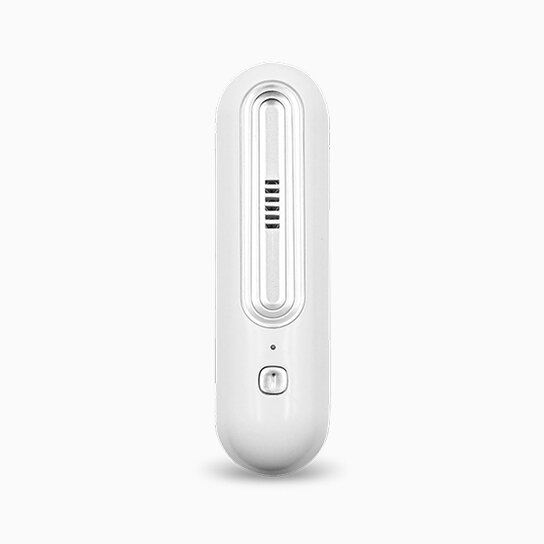
The 4-hour rule is a simple guideline: a closed refrigerator keeps food cold enough to stay safe for about 4 hours without power. This means the clock starts when the lights go out, and every time someone opens the door, the clock runs faster. If you are weighing up the Ozoori Fridge Deodorizer, read the verdict first.
Why does the number matter so much? Bacteria multiply fastest between 40°F and 140°F. Time above 40°F is what counts, not how the food looks or smells. Think of a cooler at a picnic. A cooler you leave closed stays cold for hours, while one you keep opening to grab a drink warms up fast. Your fridge works the same way, and the cold air spills out every time you check on the milk.
A common assumption is that a sniff test settles the question. The reality is that smell only reveals some kinds of spoilage, because dangerous bacteria often give off no odor at all. A chicken breast can smell fine and still make your family sick. This is the part that catches people off guard, because the fridge smell is loud and the real danger is quiet.
So what do you do when the power comes back? Leave the door shut at first. Work out how long the power was out, then check the inside temperature with an appliance thermometer if you own one. You will know the fridge is in good shape when the thermometer reads 40°F or lower. If you do not know how long the outage lasted, treat it as longer than 4 hours.
The discard limit is 2 hours total above 40°F for perishable food. A fridge that stayed closed for 4 hours and then sat warm for another 3 has blown past that limit, even though the first 4 hours felt safe.
Is Food Safe After a Power Outage? What to Keep and What to Throw Out
Perishable food held above 40°F for over 2 hours must be discarded, regardless of how it smells or looks. This is the rule that protects your family, and the table below applies it food by food so you can sort quickly instead of guessing at each item.
| Food type | Keep or discard | Why |
|---|---|---|
| Raw and cooked meat, poultry and fish | Discard | Bacteria grow quickly in protein, often with no smell |
| Milk, soft cheese, cream and yogurt | Discard | Dairy spoils fast and can hide harmful bacteria |
| Cooked leftovers, cut melon and cut fruit | Discard | Cut surfaces and cooked food give bacteria an easy start |
| Eggs and egg dishes | Discard | Eggs and egg dishes are perishable once warm |
| Hard cheeses, butter and margarine | Usually keep | Low moisture and high fat slow bacterial growth |
| Whole fruits and unwashed vegetables | Usually keep | Intact skins protect the food inside |
| Mustard, ketchup and jarred pickles | Usually keep | Acid and salt keep these stable at room temperature |
| Opened mayonnaise and dressings | Discard if above 40°F for over 2 hours | Egg and oil mixtures turn risky once warm |
When in doubt, throw it out. Food poisoning costs far more than the groceries, in money and in a sick household.
One point trips up many careful cooks: airtight containers do not buy extra safe time. A sealed container keeps smells from spreading to the food you plan to keep, which is useful, but it does nothing to hold the temperature down. Meat in a tight lid is just as unsafe as meat in a loose wrapper once it has been warm too long.
The same goes for food storage in your crisper drawers. Whole produce in those drawers usually survives, but cut or washed items do not. Check each drawer on its own instead of treating the fridge as one unit.
Keep a quick written list of everything you throw out. Note the item and roughly how much. That list helps if you decide to ask your insurer about a food-loss claim. Check your own policy for what it covers, since I do not have reliable figures on claim limits.
What Should You Do When the Freezer Thawed and Refroze?
A freezer that thawed and refroze leaves food with ice crystals and sometimes a smell, and that smell signals possible unsafe spoilage. So refrozen perishables need a careful check before anyone eats them. Thawing and refreezing is a safety question and a smell question, and the smell works as a warning flag.
A full freezer holds its cold longer than a half-empty one, which is why packed freezers often fare better. I do not have a reliable hour figure for how long that extra cold lasts, so check the food itself instead of counting on a number.
Work through these checks in order:
- Look for ice crystals and feel whether the food is still cold. Food with ice crystals, or food at 40°F or below, can usually be refrozen or cooked.
- Discard anything that thawed fully and sat above 40°F for over 2 hours. Time above that line is what counts, even if the food looks fine.
- Throw out raw meat or fish that now smells off. A sour or rotten smell is a stop sign, and you should not try to cook it away.
- Check packages for leaked juices that refroze into a puddle or crust. Frozen leaks mean the food thawed all the way and then froze again.
- Cook thawed-but-cold meat soon instead of refreezing it raw. Eating it within a day or two is safer than putting it back in the freezer.
Refrozen odor often lingers in the freezer liner after the food is gone. Treat it the same way you treat the fridge, with the cleaning steps in the next section.
How Do You Clean a Fridge After a Power Outage? 6 Steps in Order
Cleaning the fridge after you discard spoiled food removes leaked meltwater, residue and bacteria, so the rot odor does not settle into shelves, drawers and drain areas. Do this only after the keep-or-discard sorting is done, because cleaning first can lead you to toss food you could have saved.
- Decide whether to power down. Leave the fridge running unless power is stable and you need to defrost leaked areas. A fridge that stays on keeps the surviving food cold while you work.
- Remove shelves and drawers. Pull out every shelf and the crisper drawers, then wash them in warm soapy water. Plastic holds smell, so give these parts the most scrubbing time.
- Wipe the walls and shelf supports. Clear leaked meltwater and spoiled-food residue, working from top to bottom so drips fall onto surfaces you have not cleaned yet. For stuck residue, a paste of baking soda and water works as a gentle scrub.
- Sanitize every surface. Use a food-safe sanitizer, or mix 1 tablespoon of unscented bleach into 1 gallon of water. Rinse with clean water and dry well so no bleach smell stays behind.
- Clean the drain hole and drip area. Find the drain at the back of the fridge, where meltwater and spoiled liquid collect. Work a cotton swab or pipe cleaner through it, since this is where hidden rot smell often lives.
- Wipe the door gaskets. Scrub the rubber seals with a toothbrush and soapy water, getting into every fold. The folds trap smell and crumbs that you cannot see.
The thing that catches people off guard is the drain hole. Most people wipe shelves for an hour and never look at the back wall, which is exactly where a rotten smell keeps coming from.
When you put food back, use simple fridge organization: raw meat goes on the lowest shelf in a sealed container so drips cannot reach anything below it. A routine weekly schedule is a separate job, and a good fridge cleaning routine keeps odors from building up in the first place. Here, the goal is a one-time recovery.
You will know the cleaning worked when you open the door and smell nothing but cold air. If a sour edge remains, the next section covers why.
How Do You Get Rid of a Lingering Rot Smell After the Fridge Is Clean?
A rot odor that survives cleaning is trapped in porous surfaces like gaskets, drain pans and insulation, so it needs repeated treatment or targeted absorbers. Odor molecules soak into plastic and rubber, and wiping the surface does not reach them.
If you see a smell return a day after cleaning, check the gaskets and drain pan first. If those are clean, the cause is likely deeper in the liner.
| Option | What it fixes | Limits |
|---|---|---|
| Second round of cleaning with baking soda paste | Surface residue on shelves, crisper drawers and walls | Does not reach odor soaked into rubber or insulation |
| Open box or bowl of baking soda left on a shelf for several days | Mild stale odor, absorbed slowly | Works slowly and has limits on strong rot smell |
| Empty fridge with the door propped open for a day | Stale, trapped air | Does little for odor soaked into parts |
| Replacing a damaged gasket or drain pan | Odor trapped in the part itself | Costs money and needs the right part for your model |
Be honest about the limits. No measured odor-removal figure exists for any of these methods, so use your nose as the test. Smell trapped in insulation behind the liner may never fully clear, and a repair technician or a replacement fridge may be the real answer.
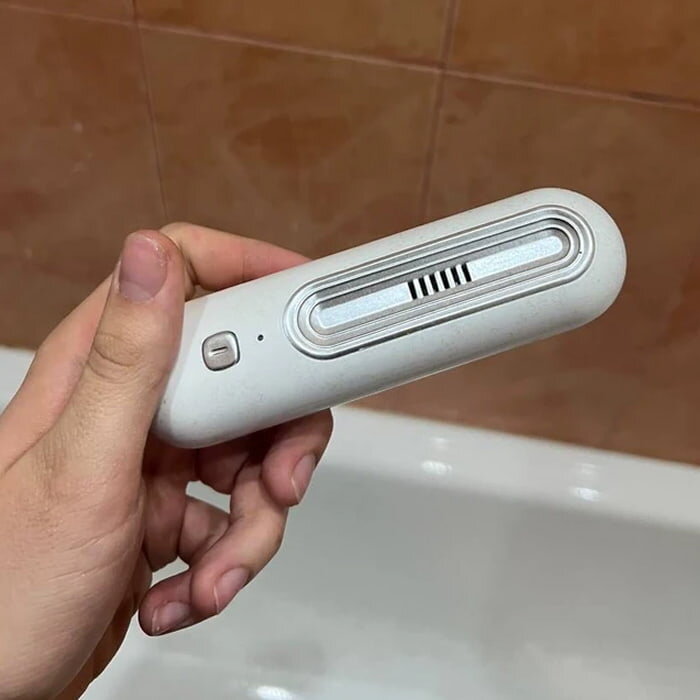
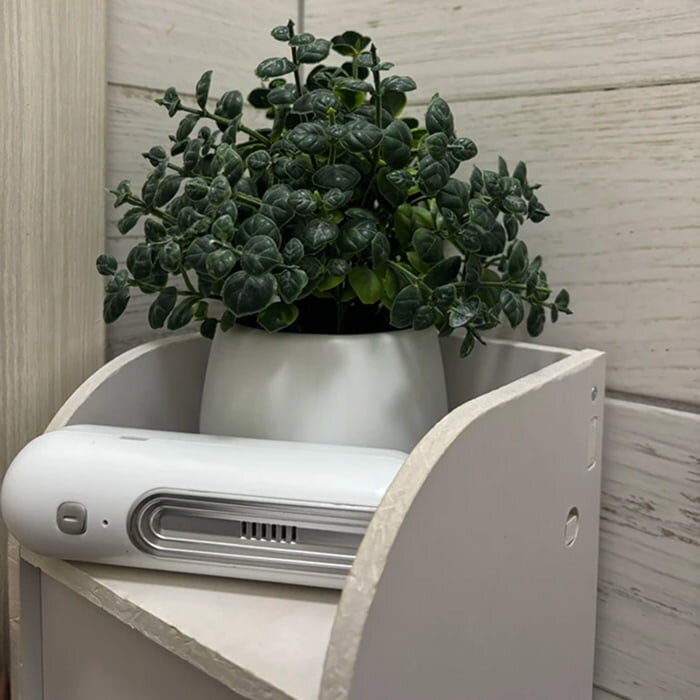
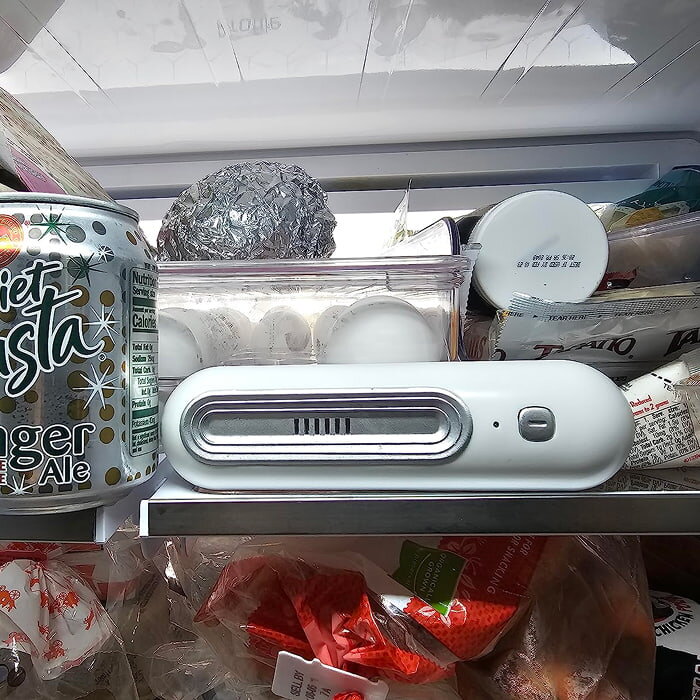
A rechargeable deodorizer is one optional step for mild leftover odor. Its effect is the maker’s claim, and independent reviews mostly cover the buying experience, not measured freshness. You can read a longer take in these ozoori reviews if you want to weigh it against baking soda. For a free option, used coffee grounds fridge odor tricks are worth trying before you spend anything.
Once the smell is gone, protect what you saved. Whole produce that survived the outage can spoil faster than usual, and ethylene gas produce spoilage is worth understanding so ripening fruit does not rot your vegetables. If your greens look tired after the ordeal, you can often revive wilted vegetables with a cold water soak instead of throwing them out.
If you rely on a battery-powered device, check the fridge deodorizer battery life before the next storm so it is charged when you need it.
Frequently Asked Questions
Can I keep using the fridge if the power was out for only a few hours?
Yes, if the door stayed shut. A closed fridge holds a safe temperature for about 4 hours. After that, check it with an appliance thermometer. If the inside is 40°F (4°C) or colder, food is fine, but above that for more than 2 hours, discard perishables.
Should I keep food with a slight sour smell after an outage?
No. Smell alone cannot tell you whether food is safe, but a sour or off odor is a clear reason to discard it. Dangerous bacteria can grow without any smell, so also toss milk, meat, cooked leftovers and cut produce that sat above 40°F for over 2 hours.
What if the smell stays after I clean and the food is gone?
Odor can sit in gaskets, drain channels and plastic liners. Rewash the door seals and drip tray, then leave an open box of baking soda or activated charcoal inside for several days. If a rot smell still returns, check the drain hole and call a repair technician.