This page contains affiliate links. We may earn a commission at no extra cost to you. Read our disclosure.
Electronic fridge deodorizers promise to handle odors with a ceramic core and a charge instead of a box of baking soda. Here is how the technology is supposed to work, and how much of it anyone has verified.
Key Takeaways:
- Passive absorbers like baking soda trap odor molecules on a surface, while an electronic deodorizer is described as acting on odor molecules with a photocatalytic element, which means two different mechanisms with two different ways to fail.
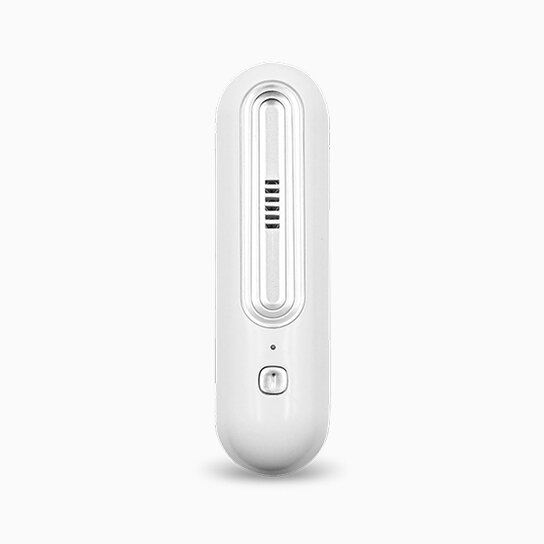
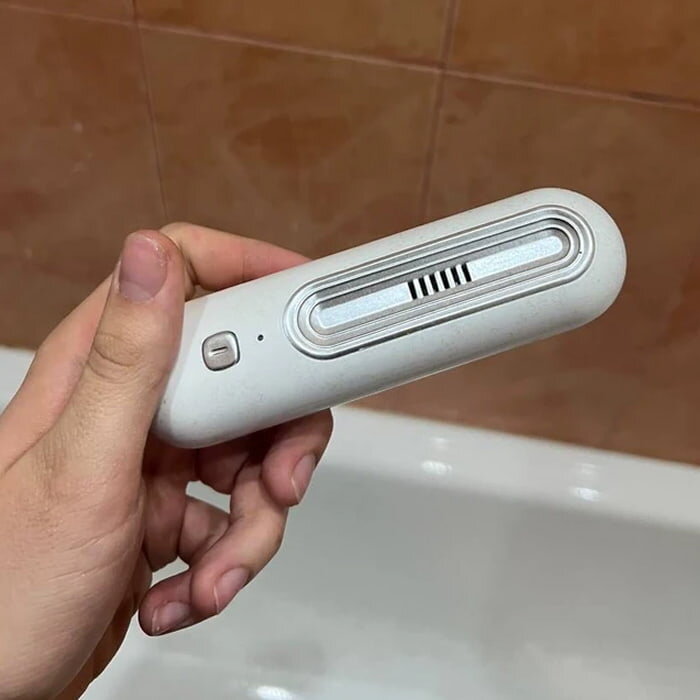
- The Ozoori Fridge Deodorizer uses a ceramic core, two modes (Everyday and Boost), and USB-C charging that the maker says lasts up to 4 weeks, but the maker publishes no battery capacity, power draw, or weight.
- Ozoori holds 3.7 out of 5 across 140 Trustpilot reviews as of Oct 2026, and those reviews mostly describe the ordering experience, so no independent source we found measures odor removal or food shelf life.
How Does an Electronic Fridge Deodorizer Work?
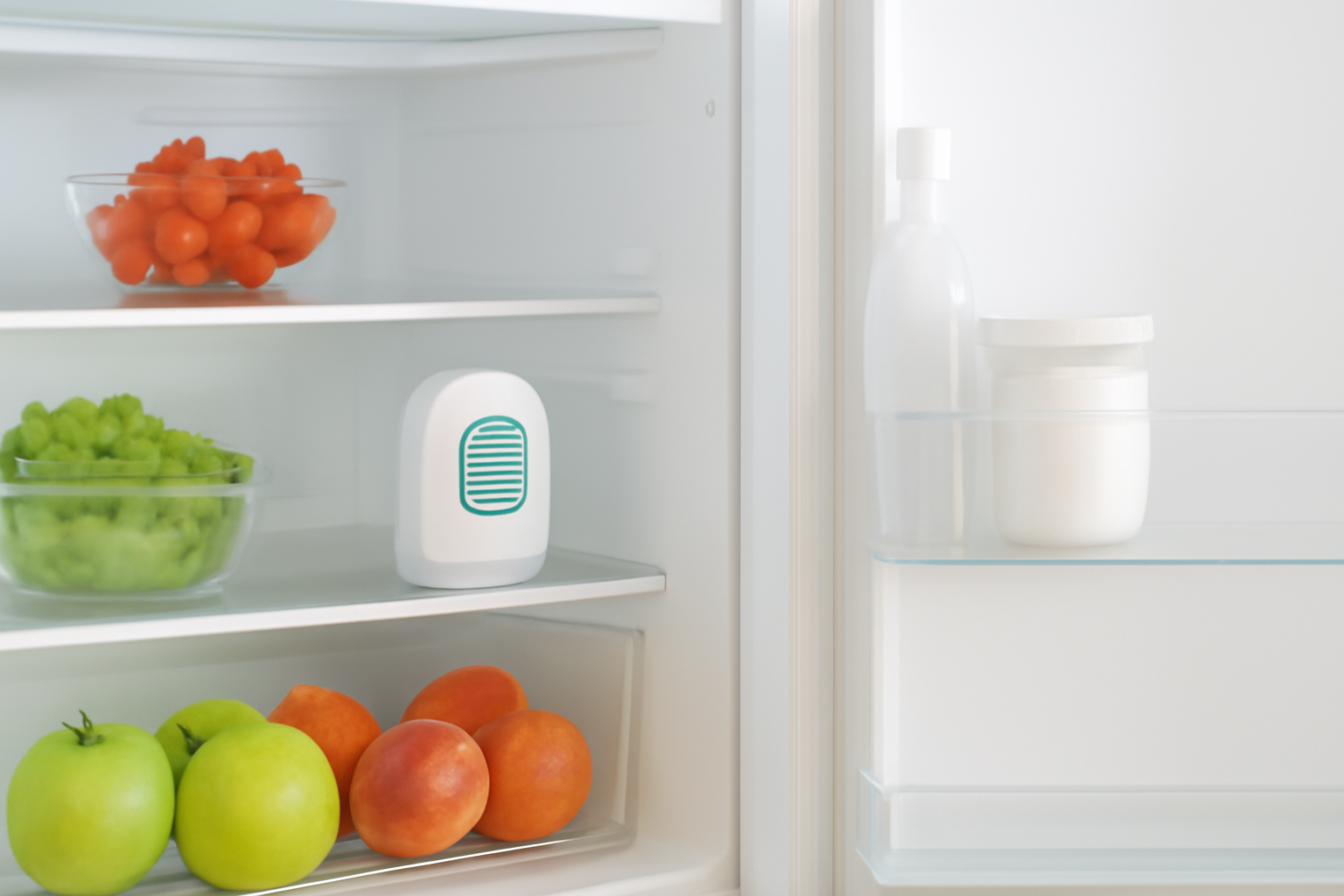
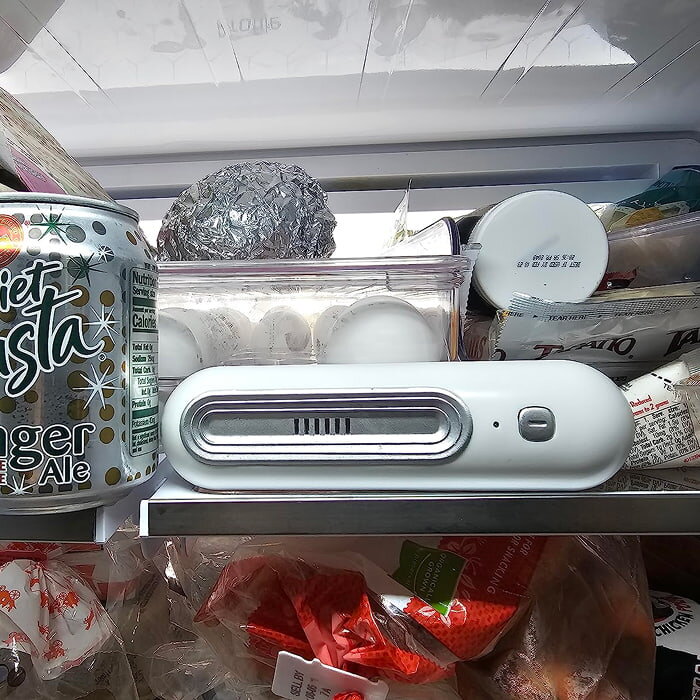
An electronic fridge deodorizer is a small powered device that the maker says treats the air around your food instead of soaking up smells on a surface. This means it behaves more like a tiny appliance than a consumable. Think of a baking soda box as a sponge that fills up. A rechargeable fridge deodorizer is closer to a small fan that keeps running as long as it has power. If you are weighing up the Ozoori Fridge Deodorizer, read the verdict first.
Why does that distinction matter? Fridge odor comes from airborne molecules released by food, spills, and anything starting to turn. Passive absorbers hold those molecules on a surface until the surface is saturated, then they stop helping. An electronic unit claims the opposite approach: a powered ceramic core works on those molecules continuously. That description comes from the maker, not from an outside lab.
Next, we’ll look at the photocatalytic piece, the ceramic core, and what has been checked.
What Is Photocatalytic Purification?

Photocatalytic technology is a process where a catalyst material, activated by an energy source, speeds up chemical reactions that break larger odor compounds into simpler ones. This means the catalyst does the work without being used up. Think of it as a matchmaker: it gets two parties to react, then stays available for the next pair.
In practice, the Ozoori Fridge Deodorizer is described by its maker as pairing a photocatalytic element with what it calls “OzoSonic” high-frequency purification. That is the full extent of the public detail. The maker does not publish what the element is made of, what activates it inside a dark, closed fridge, or what the odor compounds turn into afterward.
A common assumption is that a technical name means a tested result. The reality is that “OzoSonic” is the maker’s own label for its process, and it is not independently confirmed. Nothing in the maker’s description claims the device sanitizes, and nothing here should be read that way.
Do Ultrasonic Fridge Deodorizers Work, and What Does the Ceramic Core Do?
Ultrasonic fridge deodorizers are a category buyers often ask about, and the honest answer is that no independent test of this device’s odor removal turned up. The maker uses the phrase “high-frequency purification,” and that wording is not the same as a proven odor-removal method. It tells you what the maker calls the process, not what a lab measured.
What about the ceramic core? A ceramic core is generally a durable, porous, heat-stable material, and engineers often use that kind of material as a support for catalysts. The Ozoori ceramic core most likely serves as the housing or active surface for the high-frequency and photocatalytic elements. The word “likely” is doing real work there, because Ozoori does not publish the exact ceramic composition.
The filter-free design is easier to judge. The maker states there are no consumables or replacement parts, which removes a recurring cost. It also means no cartridge changes color or fills up, so nothing visible tells you when the device has stopped helping. Dimensions and weight are not published either.
Maker Claims vs Independent Testing: What Is Actually Verified?
Maker claims vs independent testing is the gap that matters most when you shop for a powered deodorizer. Independent Trustpilot reviews cover the buying experience rather than measured odor removal, so most technical claims sit on the maker’s word alone. This table sorts each claim by where it comes from.
| Claim or Feature | Source | Independently Verified? |
|---|---|---|
| Ceramic core and OzoSonic purification | Maker | No |
| Up to 4 weeks per USB-C charge | Maker | No |
| Filter-free, no consumables | Maker | Plausible from the design, not tested |
| 30-day money-back guarantee | Seller-stated | Stated by the seller |
| Easy website and clear product descriptions | Trustpilot reviewers | Supported |
| 3.7 out of 5 from 140 reviews (Oct 2026) | Trustpilot | Supported as a rating |
How should you read a 3.7 score? It signals a meaningful share of mixed or unhappy reviews alongside the positive ones. The reviews also say little about odor removal or food lasting longer, so the rating tells you more about ordering than about freshness.
Why Is It Hard to Measure Whether a Fridge Deodorizer Works at Home?
Home testing cannot isolate a deodorizer’s effect from cleaning, food changes, and nose fatigue. Even a careful parent runs into the same walls:
- Noses adapt. Your brain tunes out a constant smell within minutes, so a fridge can seem fresher because you stopped noticing it.
- Contents change. A fridge full of leftovers smells different from a half-empty one, and that shifts week to week regardless of any device.
- Cleaning and the device arrive together. Most people wipe down the shelves when they set up a new gadget, so you cannot tell which change helped.
- No home tool measures odor compounds. You have no instrument that reads what is in the air, only your nose and your memory.
- Shelf life depends on temperature and storage. Food lasts longer mostly because of steady cold and good packing, so treating the air is a minor factor next to those.
Here is one practical tip: change one thing at a time. Clean first, wait a few days, then add the device and use the seller’s 30-day money-back guarantee as your test period.
Is an Electronic Fridge Deodorizer Right for Your Kitchen?
A rechargeable fridge deodorizer trades a higher upfront cost and recharging for no replacement boxes. I’m Cheryl, and in my kitchen that trade suits a set-and-forget person: someone who dislikes swapping baking soda and accepts a $49 price plus a USB-C recharge about once every few weeks (the maker says up to 4 weeks per charge). If you want the cheapest, best-understood option, baking soda still earns its place.
I’ll be straight that the freshness claims are the maker’s, and I can’t measure them from my counter. For the full verdict, read our Ozoori reviews breakdown, and for the cost math, see the passive vs rechargeable fridge deodorizer comparison. This page contains affiliate links. We may earn a commission at no extra cost to you.
When the 30 days are up, our guide on how to tell if fridge deodorizer is working explains what to look for.
Frequently Asked Questions
Does an electronic fridge deodorizer need filters or replacement parts?
The Ozoori is described by its maker as filter-free, with no consumables or replacement parts, so the ongoing task is recharging it over USB-C. That removes a recurring cost. It also means nothing visible tells you when it has stopped helping.
Can a photocatalytic deodorizer replace cleaning the fridge?
No. Spoiled food, spills, and drips are the usual sources of fridge odor, and a deodorizer of any kind only addresses the air. Removing the source first gives any device, powered or passive, a fair chance to help.
What should you look for before buying an electronic fridge deodorizer?
Look for what the maker actually publishes: the technology named, battery life, charging method, and a return window. Missing specs, such as battery capacity or dimensions, are worth noting. So is the gap between a maker’s claims and independent testing.